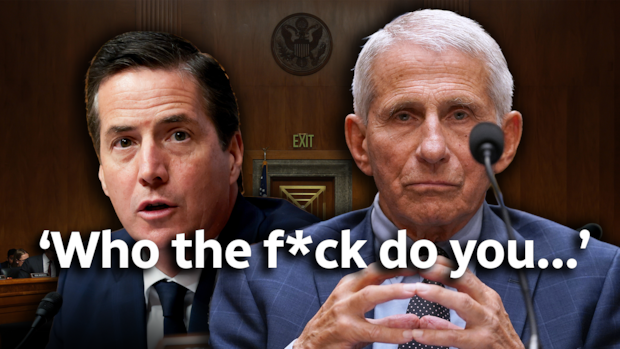
The committee’s decision followed Fauci’s appearance in which he declined to answer numerous questions by invoking constitutional protections. In total, Fauci invoked the Fifth Amendment more than 100 times during questioning, prompting the committee to pursue a contempt resolution. The move is a formal step used by Congress to compel compliance or to signal that a witness has not cooperated with congressional investigations.
Fauci, who served as the chief medical adviser to the president and led the National Institute of Allergy and Infectious Diseases, has been a central figure in debates over mask mandates, lockdowns, and the distribution of vaccines. Critics argue that his refusals to answer certain questions obstruct congressional oversight, while supporters contend that some inquiries risk disclosing sensitive information or exceed legislative authority.
The vote by the committee does not immediately enforce penalties but advances the process toward potential legal consequences should the full Senate or related bodies approve the contempt citation. Historically, contempt rulings can lead to court action to compel testimony or, in some cases, result in fines or other measures. The outcome depends on subsequent legislative steps and potential negotiations between the branches.
Fauci’s supporters emphasize a long career in public health and scientific guidance, asserting that testifying on certain viewpoints or internal deliberations risks misinterpretation or misrepresentation. Opponents, however, argue that elected representatives have a right to obtain information about the public health response, especially given the high stakes of the pandemic.
The committee did not immediately disclose additional witnesses or evidence it expects to compel, but indicated that the dispute centers on the scope of inquiries into decisions made during the COVID-19 response and Fauci’s role in those policies. Further developments are expected as the legislative process progresses.