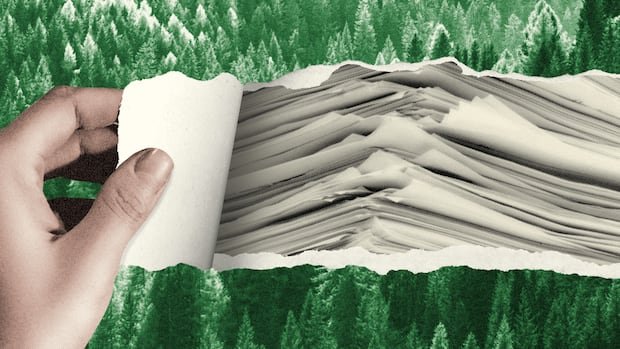
Shannon, now retired, reflects on the long-term footprint of her classroom practices and says she would have changed her relationship with the school copier sooner if given the chance. In retirement, she is taking steps to offset those past emissions by adopting more sustainable habits in her daily life and, visibly, through planting initiatives. Her efforts symbolize a broader question facing many educators: how to balance access to printed materials with environmental responsibility in schools that rely heavily on paper.
Experts say that the environmental impact of paper use extends beyond the act of printing. Each sheet has associated emissions from producing the paper, operating printers, and disposing of waste. While individual actions may seem small, the cumulative effect across decades and districts can be significant. Shannon’s experience has drawn attention to potential strategies for schools, such as adopting digital curricula, enabling teachers to submit and review work electronically, and implementing tighter controls on copier use.
Her story aligns with broader conversations about reducing the carbon debt created by routine administrative tasks. Advocates emphasize practical changes: investing in multi-function devices, encouraging digital handouts, and providing training that makes electronic distribution easier for both teachers and students. The aim is to retain educational quality while shrinking the environmental footprint of classroom operations.
As Shannon documents her personal journey, she hopes others in education will reflect on similarly ingrained practices and pursue sustainable alternatives. Her narrative illustrates how individual choices, paired with systemic changes, can contribute to meaningful reductions in carbon emissions within the education sector.