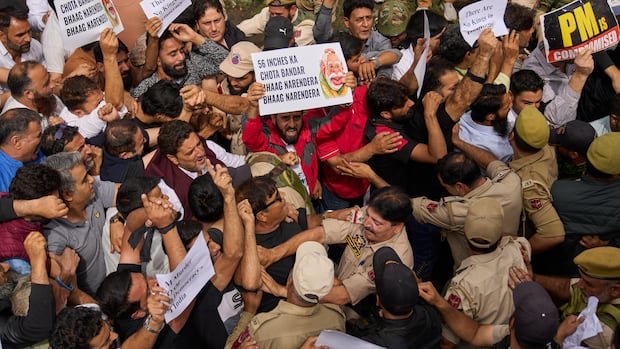
Wangchuk’s decision to end the hunger strike comes after weeks of demonstrations that paralyzed parts of major cities and sparked campus-wide activism. Supporters say the campaign has energized students and young professionals alike, converting sporadic protests into a sustained push calling for accountability from the education ministry and for changes they say are essential to the country’s schooling system.
Observers note that the protest movement, which some participants describe using a term invoking a political group’s nickname, has seen marches, sit-ins, and social media-driven coordination across multiple states. Organizers insist that the end of the hunger strike does not equate to an end of the movement; rather, they frame it as a strategic pause while continuing to pressure authorities.
Authorities have monitored the demonstrations, with security forces often present at protest sites. While there have been reports of confrontations or disruptions in some locations, officials say public order has largely been maintained, and the protests have remained focused on educational policy rather than broader political objectives.
Protest leaders emphasize the urgency of reforms they say are needed to modernize India’s education system, arguing that current standards hinder access to quality schooling and fair opportunity for many students. They expect ongoing demonstrations to proceed in the coming days, with planned rallies and campus actions across major urban centers.
Education policymakers have not publicly announced a resignation from the ministry in response to the protests. Analysts say the movement’s momentum underscores a broader appetite for reforms within segments of India’s younger population, even as the country works to balance fiscal constraints with demands for improved educational outcomes. Further developments are anticipated as organizers outline next steps for sustained civic action.