The company describes its approach as exploring, in effect, for a hydrogen resource already present in the Earth rather than creating hydrogen through conventional energy processes. If successful, the effort could offer an alternative path to greener hydrogen used for decarbonizing heavy industry and transportation, potentially reducing production costs and energy inputs compared with traditional methods that rely on reforming fossil fuels or using high-energy electrolysis.
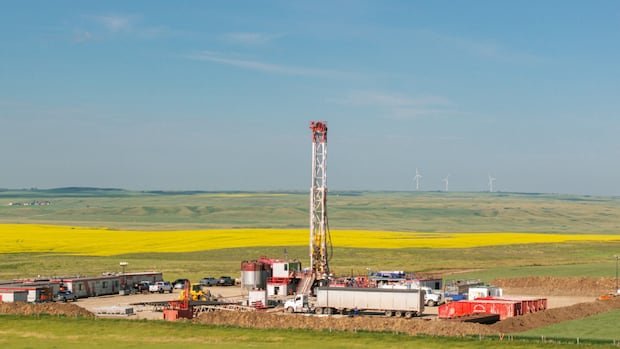
The project involves the company’s first validation well, which was drilled and began producing data in July, followed by the initiation of a second validation well in early August. Drilling operations and data collection are focused on confirming the feasibility of extracting commercial quantities of natural hydrogen, understanding the concentration and flow characteristics of the natural gas-hydrogen mixture, and evaluating the economics of scalable production.
Supporters of natural hydrogen say the approach could bypass some emissions and economic constraints associated with conventional hydrogen production. Critics, however, caution that the technology and its commercialization remain uncertain, with questions about resource sustainability, real-world costs, and the environmental impacts of large-scale extraction.
Max Power’s exploration aligns with broader interest in alternative hydrogen sources, as policymakers and industry players seek to diversify supply and accelerate decarbonization across sectors. The company emphasizes the potential for local, site-specific development of hydrogen resources, which could contribute to domestic energy security and reduced reliance on imported fuels.
Details on resource estimates, drilling results, and plans for subsequent wells have not been disclosed publicly by Max Power, and experts note that many natural hydrogen projects face technical and economic hurdles before reaching commercial viability. The Saskatchewan site remains under evaluation as the company gathers more data to determine whether natural hydrogen at the Lawson Complex could become a scalable industrial resource.