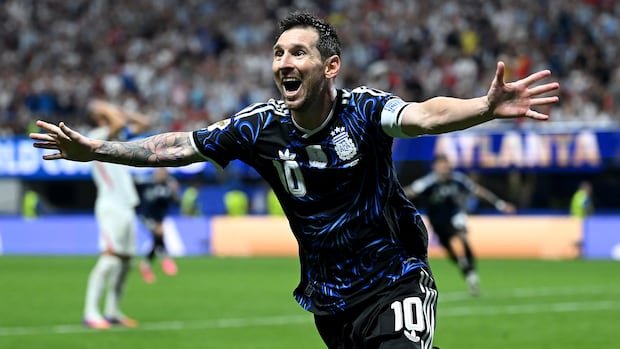
The 2026 edition, held in Canada, Mexico and the United States, featured more than 100 matches and showcased a slate of matches and policy choices that have sparked intense discussion among officials, fans and journalists. As the event nears its final stages, observers are weighing whether the host nation structure, scheduling, and governance concerns have altered the sport’s global spectacle.
Among the topics scrutinized are the logistical and organizational demands of a tri-national event, including cross-border travel for teams and fans, stadium readiness, and the coordination of security and broadcast operations across three time zones. Critics argue that while the format expanded reach and revenue, it also introduced complexities that affected team preparation and fan experience in ways not seen in previous World Cups.
Controversies cited by analysts cover a range of issues, from decision-making by FIFA’s leadership to broader debates about tournament costs, local impact, and the balance between commercial interests and sporting integrity. Supporters counter that the shared hosting model boosted accessibility for fans across North America and provided opportunities for investments in soccer development, infrastructure, and exposure for the sport in new regions.
As teams fight for final glory, experts emphasize that the tournament’s legacy may hinge on how these debates are remembered in hindsight. They note that controversy is not new to the World Cup, but the scale and sources of disagreement this year appear more dispersed, reflecting a modern era of global sports where governance, economics and fan engagement intersect more visibly than before.
Final results and post-tournament analyses are expected to address whether the 2026 World Cup represents a turning point in how multi-nation hosting and contemporary decision-making influence the sport’s future, or whether its perceived controversies will fade as memories of a competitive showdown take center stage.