Amman, Jordan – Early Wednesday, Jordanian authorities announced they intercepted a volley of missiles believed to have been fired from Iran, marking a sharp escalation in a broader sequence of attacks and counterattacks across the Middle East. The interception occurred within hours after the United States confirmed it had shot down another Iranian barrage aimed at American forces in the region, according to defense officials.
The sequence unfolds amid heightened tensions between Tehran and Western allies, with the United States and its partners reportedly targeting militias aligned with Iran’s influence in neighboring Iraq. U.S. officials described the latest strike as part of ongoing efforts to deter attacks against American personnel and facilities in the region, noting that the Iranian missiles were launched in what they characterized as retaliation for previous U.S. and allied actions.
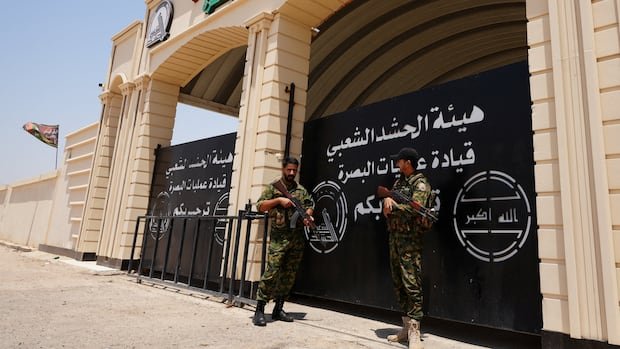
In Iraq, fighting has intensified around bases where U.S. forces and allied security partners operate. Reports indicate that allied militias, including those linked to Iraqi security formations known as the Popular Mobilization Forces (PMF), continue to be a focal point of cross-border tensions. Basra, in southern Iraq, has seen reported airstrikes and counterstrikes, with PMF units stating that they were targeted in recent raids described by some as conducted by U.S. and Saudi forces. Local officials warned that the security landscape remains volatile and that regional actors are exchanging fire and rhetoric as diplomatic channels remain strained.
Analysts say the latest developments risk widening the conflict beyond traditional battle lines, potentially drawing in more regional actors and complicating international efforts to de-escalate. Washington has repeatedly stressed its aim to protect American personnel and interests in the Middle East while pursuing channels for dialogue to prevent further escalation.
Jordan’s interception underscores the country’s strategic position near the conflict zone and its role in monitoring and responding to cross-border threats. Officials have urged restraint from all parties as regional authorities seek to prevent a broader confrontation that could disrupt energy routes and security in an already fragile regional balance.