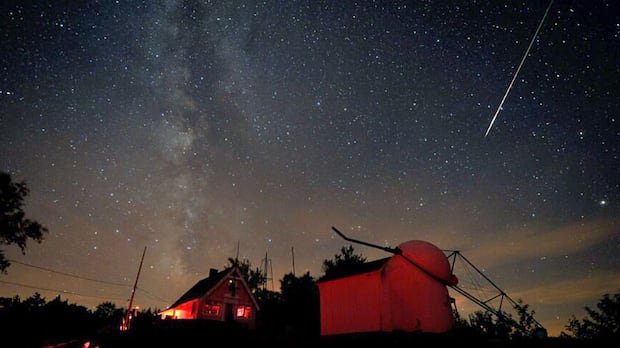
Experts warn that peak viewing conditions will depend on local weather and light pollution, with clear skies and a dark observing site offering the best chances to see a steady stream of meteors. Even under less-than-ideal conditions, observers may still catch several Perseids per hour during the heightened activity window, which generally occurs in the pre-dawn hours when radiant activity is strongest.
Astronomers note that Perseids are known for their relatively bright streaks and short-lived trails, making them accessible to casual stargazers as well as more experienced observers. The meteor shower gets its name from the radiant point near the constellation Perseus, where the meteors appear to originate in the sky. The best viewing typically occurs after astronomical twilight ends and before dawn.
In prior years, observers have reported a generous display with multiple bright fireballs, adding to the spectacle. While the peak activity is the primary draw, minor variations in meteor counts can occur due to factors such as debris density in Swift-Tuttle’s trail, as well as atmospheric conditions.
Officials with local observatories and astronomy groups encourage people to find a dark spot away from city lights, bring warm clothing, and give their eyes time to adjust to the darkness. Arrangements for public viewing events and guided sessions may be announced by local science centers or astronomy clubs as the night progresses.