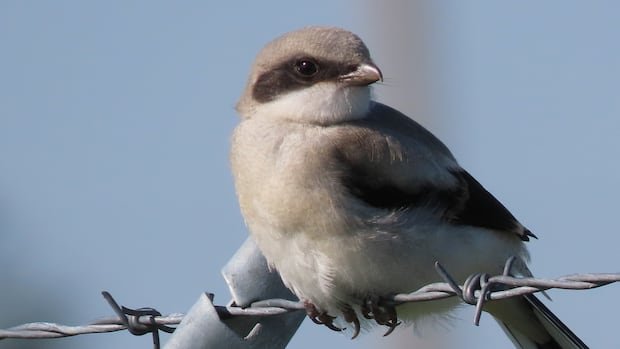
Experts describe the shrike as a predator among songbirds, capable of impaling prey on thorns, barbed wire, or other sharp objects—a behavior that has earned it a reputation as a “butcher bird.” While such tactics are remarkable, conservationists say the practice reflects the species’ struggle to find adequate food sources as habitat changes and other pressures reduce available prey.
The shrike’s plight is being watched closely in Saskatchewan, where sightings and reports indicate a risk to the species’ long-term viability. Authorities and researchers are emphasizing the need for habitat preservation and monitoring to determine the scale of the threat and to guide potential conservation actions.
Environmental groups note that the shrike’s decline is not isolated to one area but mirrors wider trends affecting similar birds in North America. Factors typically associated with shrinking populations include habitat loss due to agricultural development, pesticide exposure, and shifts in prey availability. Conservationists argue that maintaining rural and prairie landscapes that support shrikes and their prey is critical to stabilizing numbers.
Officials say the designation as a threatened species will help in directing resources toward monitoring, habitat protection, and possible recovery plans. Local researchers plan further field surveys to map current population distribution and health, with particular attention to breeding territories in Saskatchewan’s prairie regions.
While the shrike remains a notable feature of Saskatchewan’s avifauna, experts emphasize that accurate data are essential to understanding the scale of the threat and to avoid overestimating, or underestimating, the species’ status. The latest actions aim to balance agricultural land use with conservation needs, ensuring that this “butcher bird” retains a presence in the province’s ecosystems.