The contest has become a focal point for discussions about big-money politics, with candidates and supporters highlighting differences in fundraising strategies and donor networks. Critics argue that heavy financial backing from outside groups could shape policy emphasis and campaign messaging, while supporters contend substantial fundraising is necessary to compete in a high-profile statewide race.
Beyond fundraising dynamics, the primary is seen by some as a gauge of the Democratic Party’s approach to the U.S.-Israel relationship. The debate reportedly includes divergent positions on Israel policy, a topic that has grown more prominent in domestic political discourse and has drawn attention from pro-Israel groups and allied donors.
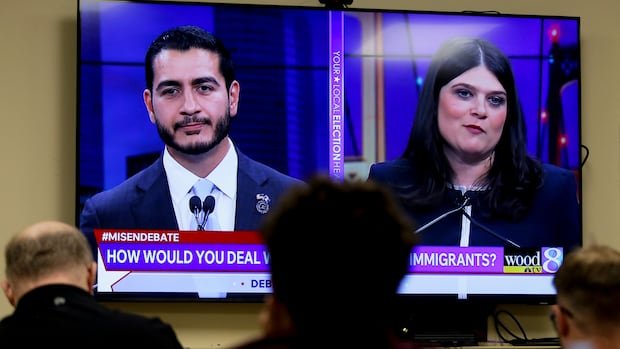
Campaign events and media coverage this week have underscored the intensity of the race. A debate held in Grand Rapids brought together the two leading candidates and highlighted differing visions on economic policy, national security, and foreign policy priorities. The outcome of the primary is considered significant not only for Michigan but for implications on congressional dynamics and party alignment on foreign policy support.
Election observers note that Michigan’s primary environment reflects broader national trends where internal party factions debate the influence of money and lobbying groups. Analysts say the result could influence how the Democratic Party positions itself regarding fundraising strategy and coalition-building ahead of future elections.
No date has been provided for a formal endorsement or outcome, but the race remains a central storyline as Michigan Democrats prepare to determine who will carry the ticket in a year expected to feature closely watched contests across the country.