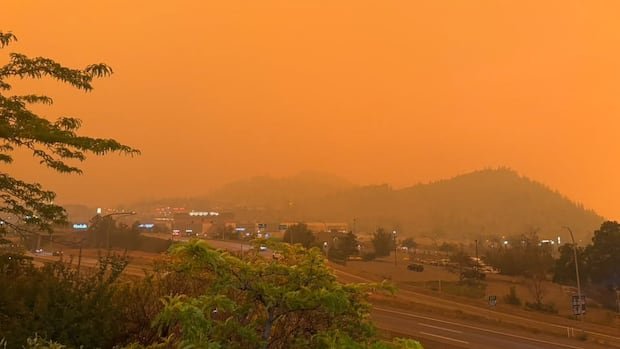
The study’s findings come as smoke from wildfires drifts across parts of Canada, contributing to hazy skies and elevated pollution levels in several regions. Health Canada’s investigation focused on the relationship between air pollution spikes caused by wildfires and the incidence of emergency visits for migraines and related headaches.
Experts say the association aligns with existing evidence that certain air pollutants can influence neurological symptoms in susceptible individuals. The researchers note that the six percent uptick, while modest on a population level, translates to a notable number of additional hospital visits during smoky periods, placing added strain on emergency departments.
The study did not specify regional differences in migraine-linked hospital visits nor did it detail variations by age or sex. It also stopped short of identifying a direct causal mechanism, instead highlighting a correlation between particulate matter exposure and upticks in severe headache cases requiring medical attention.
Public health officials continue to emphasize the broader health risks of wildfire smoke, including respiratory and cardiovascular effects. In light of the findings, clinicians may consider advising patients with known migraine disorders to monitor air quality and have action plans ready for days with poor air conditions, such as maintaining regular medication use as prescribed and seeking prompt care for severe or rapidly worsening symptoms.
No immediate policy changes were announced as a result of the study. Health Canada researchers described the results as adding to the growing body of evidence on how environmental factors tied to wildfires can influence health outcomes beyond the lungs, underscoring the need for ongoing surveillance during wildfire seasons.