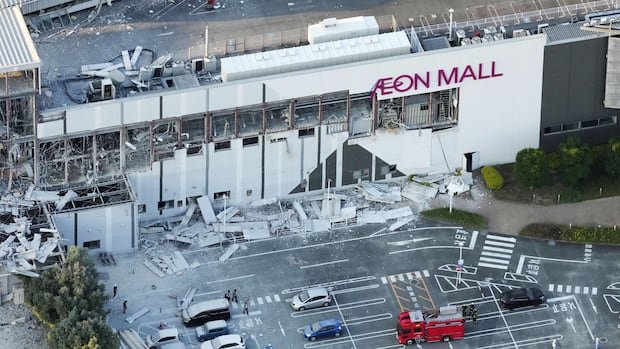
Initial assessments indicated extensive damage across several communities, including reported structural failures at shopping centers and other facilities. An image circulated by media showed a mall that appeared damaged, with officials noting an explosion was reported at the site in the aftermath of the quake. The incident prompted emergency crews to conduct search-and-rescue operations as residents were ordered to stay clear of damaged buildings and report anyone unaccounted for.
Local authorities cautioned that the situation remained fluid as responders worked to reach affected areas, verify casualties, and assess aftershocks. Officials did not immediately release a confirmed death toll, but indicated that multiple people may be trapped in structurally compromised locations. Firefighters, police, and disaster-response teams were deployed to aid in the response, with additional personnel being mobilized to scan for survivors and secure damaged infrastructure.
Japan’s government and Kumamoto prefectural officials urged residents to heed safety advisories, avoid traveling to affected zones unless necessary, and prepare for possible disruptions to utilities and transportation. Authorities also advised residents to check on elderly neighbors and ensure they have access to essential supplies during ongoing rescue operations and a potential lengthy recovery period.
Emergency services emphasized the importance of staying away from damaged buildings, as aftershocks could further destabilize structures. The authorities said they would provide updated information as assessments continued and more details became available about casualties, missing persons, and the status of rescue operations. The incident underscores the ongoing risks associated with seismic activity in a region accustomed to earthquakes, with officials pledging transparent updates as they gather and verify facts.