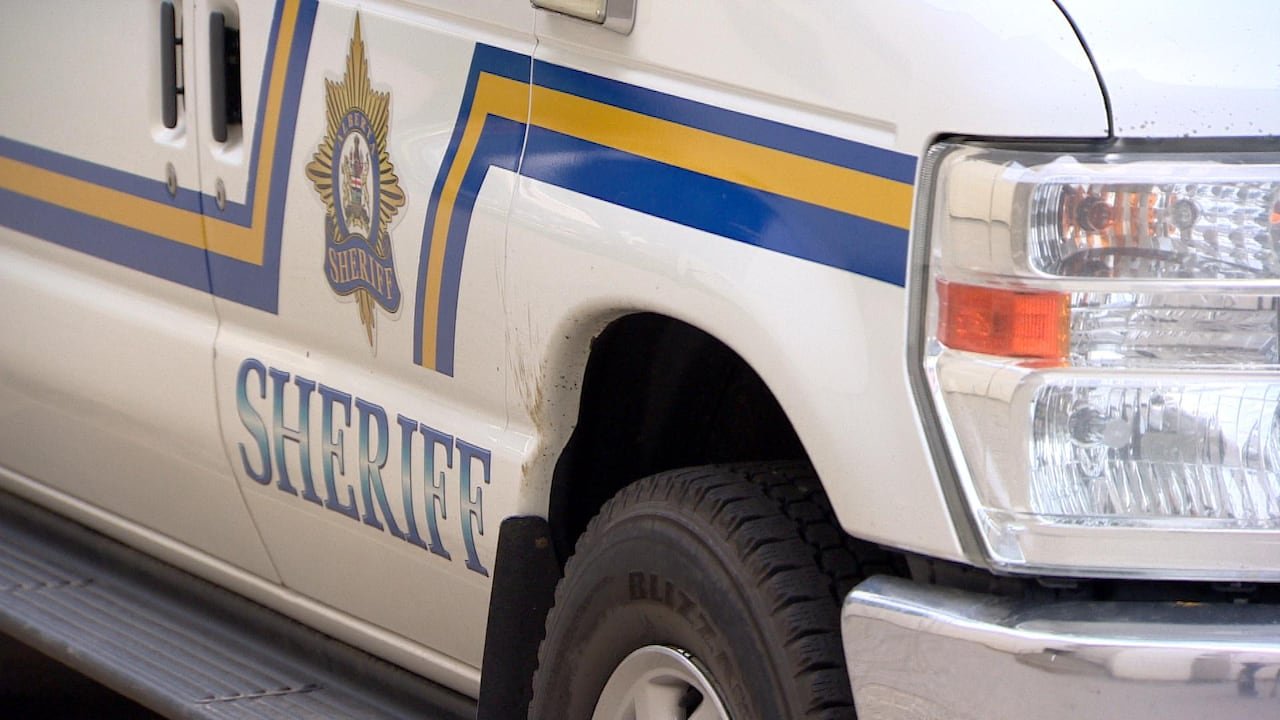
An Alberta Sheriffs peace officer will not face criminal charges for using artificial intelligence to create intimate images of women, including fellow employees, without their consent. The decision was announced after prosecutors determined there is no reasonable prospect of a criminal conviction under the applicable statute.
The case centers on the use of AI to generate images depicting women in sexualized contexts. The ruling specifies that the evidence collected did not meet the legal threshold required to prosecute, and the officer will not be charged as a result. The Alberta Sheriff Service did not disclose further details about the investigation or the individuals involved.
Details provided indicate the conduct occurred in the context of the officer’s role within the service, and the matter prompted a formal review by authorities. No charges will be laid, and the decision closes the criminal proceedings, according to the statement released in connection with the case.
Officials emphasized that the decision does not preclude any internal discipline or administrative actions that may arise from the incident, and the service indicated it remains committed to upholding professional standards within its ranks. The public safety agency did not specify any timeline for potential non-criminal repercussions or internal measures.
The ruling arrives amid broader questions about the use of artificial intelligence in creating images and the boundaries of consent, particularly within professional environments. Legal observers note that outcomes can hinge on specific statutory language and evidentiary standards, which vary by jurisdiction.
No further details were provided about potential appeals or subsequent investigations. The case highlights ongoing scrutiny of how emerging technologies intersect with workplace conduct and law enforcement ethics, even as prosecutors chose not to pursue charges in this instance.