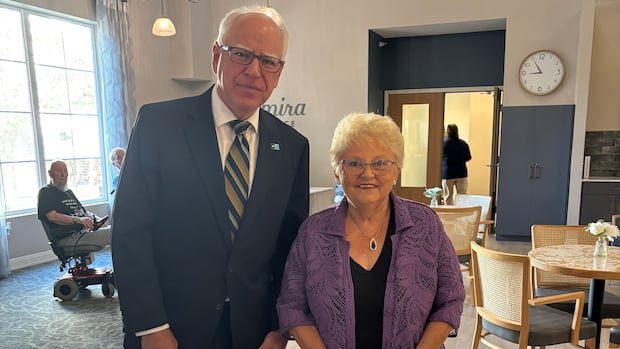
Anita LeBrun, 82, brought attention to the issue after learning that her facility could not legally provide booze to residents. She testified before state lawmakers on two occasions, urging changes that would relax restrictions for assisted living facilities. The resulting legislation, often described in media reports as the “Grandparents’ Happy Hour,” aims to allow eligible facilities to offer alcoholic beverages to residents without requiring a full liquor license.
Supporters say the change would improve quality of life for residents who wish to enjoy a beverage in a social, supervised environment. Critics, meanwhile, emphasize the need for responsible serving and oversight to prevent misuse and ensure safety for older adults.
The new law was ceremonially signed by Minnesota Governor Tim Walz, and representatives associated with the measure note that it clarifies and expands the ability of assisted living communities to serve alcohol to residents in a controlled setting. Advocates frame the policy as a modernization of regulations governing elder care environments, aligning them more closely with residents’ preferences and social routines.
Officials did not detail all regulatory requirements in the signing ceremony, but emphasized that facilities would still be expected to follow safety protocols, staff oversight, and applicable state rules regarding alcohol distribution. The policy appears to balance residents’ autonomy with the responsibilities of care providers to supervise consumption.
LeBrun credited her personal experience and engagement with lawmakers for driving the change. She said the aim is not to encourage excessive drinking but to recognize the social value of shared moments, such as a drink during a communal gathering, within a safe and regulated framework.
As the law takes effect, Minnesota’s elder-care operators will determine how best to implement the new provision, including staff training, resident eligibility, and potential licensing clarifications. The broader impact on the state’s senior living community remains a focal point for observers of retirement-age policy.