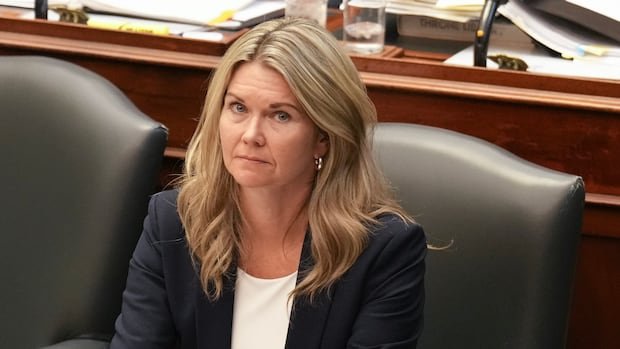
Ontario’s Emergency Preparedness Minister Jill Dunlop faced questions about the state’s wildfire response in a CBC Radio interview that was abruptly curtailed when staff terminated the session after she was asked to address criticism from community leaders.
According to coverage of the As It Happens program, Dunlop engaged with host about the province’s measures to manage wildfire threats and the status of emergency readiness. The interview ended prematurely when Dunlop’s staff decided to cut the broadcast following a line of questioning concerning critiques voiced by community groups.
The incident centers on ongoing debates about how Ontario handles wildfire risk, including preparation, resource deployment, and communication with affected communities. While the radio segment did not detail the specific criticisms, the decision to end the interview drew attention to tensions between government officials and local leaders who advocate for stronger or faster responses.
Dunlop’s comments during the portion that aired indicated support for the strategies used in Ontario’s wildfire preparedness and response framework. The ministry has previously outlined priorities such as improving rapid response capabilities, coordination among agencies, and public information campaigns intended to reduce risk during wildfire season.
CBC Radio did not release the full transcript of the cut interview, and there was no additional public statement from the minister’s office immediately following the broadcast. The incident adds to ongoing scrutiny of Ontario’s approach to emergency management as wildfire threats remain a focal concern for many communities.
Officials and observers alike will be watching for further clarifications from the government about its wildfire response, resource allocation, and engagement with community leaders in the wake of the interrupted exchange.
Contacted representatives for the minister did not offer additional details beyond the aired remarks. The episode underscores the sensitive balance political figures navigate when addressing emergency events and the perspectives of local stakeholders.