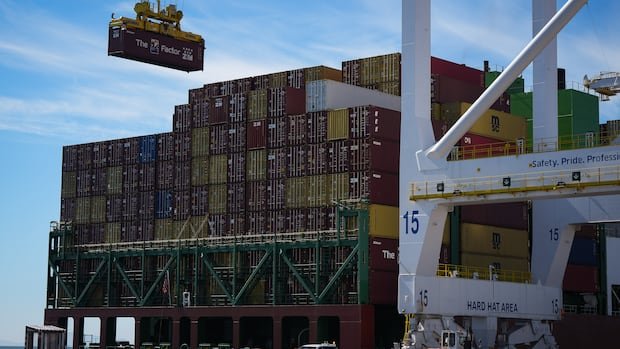
A new wave of tariffs is poised to reshape cross-border sales for Canadian small businesses, with owners warning the levies could slash revenues by as much as 50% in several sectors. The tariffs target a broad range of goods, including lumber, electronics, manufacturing inputs, and dairy, affecting firms across the country regardless of their specific industry.
Business owners describe a climate of anxiety as they anticipate higher costs and disrupted supply chains. They say the increased duties could make their products less competitive in the U.S. market, squeezing profit margins and limiting growth opportunities. The impact, they contend, would be felt unevenly, with smaller firms facing steeper declines due to tighter margins and limited capital reserves.
The report notes that while some sectors may absorb the tariffs through price adjustments or shifting sourcing strategies, many in the small-business community fear the changes will directly cut cross-border sales. The elevated duties arrive at a time when several industries are already navigating complex export dynamics, adding another layer of uncertainty.
No official numbers on expected revenue losses or sector-by-sector impact are provided in the release, but the consensus among affected business owners is clear: the new tariffs could substantially reduce cross-border commerce and threaten livelihoods in communities that rely on cross-border trade. As policymakers assess the scope and duration of the measures, small-business owners are bracing for a challenging period ahead.