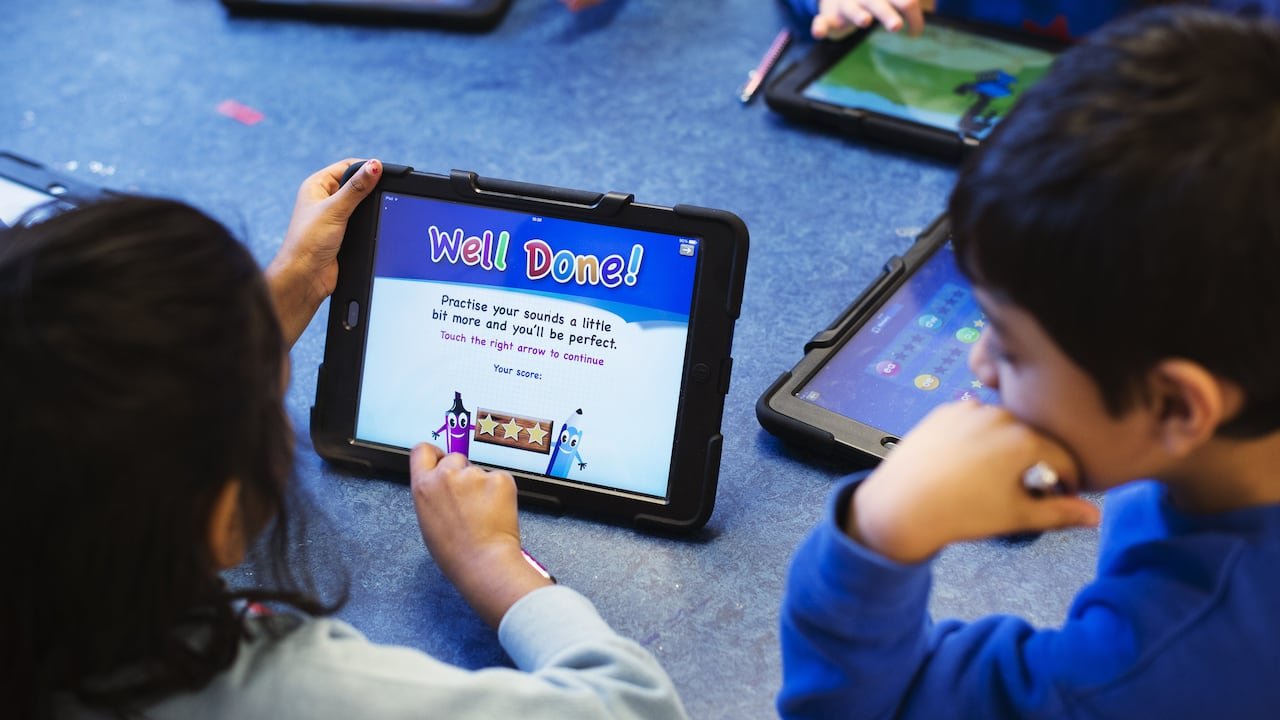
A wave of parental concern is rising over the heavy use of screens and digital tools in today’s classrooms, with some parents arguing that tech-driven approaches may contribute to a range of issues from shorter attention spans to potential privacy risks. The conversation centers on how much technology is integrated into education and what impact it has on students.
The discussion comes amid reports of widespread adoption of digital devices and software in schools, paired with concerns about how data collected through these tools is handled. Parents are pointing to experiences and observations of their children to argue that screen time in educational settings may not always align with learning goals or student well-being.
Proponents of technology in the classroom note that digital resources can support personalized learning, offer access to information, and enable new ways for students to engage with material. However, critics emphasize the need for clear boundaries, safer data practices, and consideration of offline learning experiences to balance the classroom mix.
The debate touches on several core issues: the amount of screen time appropriate for students at different ages, how to ensure student privacy amid data collection and potential breaches, and how to maintain equitable access to technology without widening gaps in learning outcomes.
Experts and educators are described as weighing the benefits of digital tools against concerns about attention, distraction, and the potential for data exposure. The evolving conversation reflects broader tensions between rapidly advancing educational technology and the realities of classroom pedagogy, student development, and parental oversight.
As schools navigate this tech-forward era, families are calling for transparency on how tools are used, what data is collected, and how privacy is protected. The outcome of this push could influence policies at the classroom level and beyond, shaping how technology fits into the architecture of modern schooling.