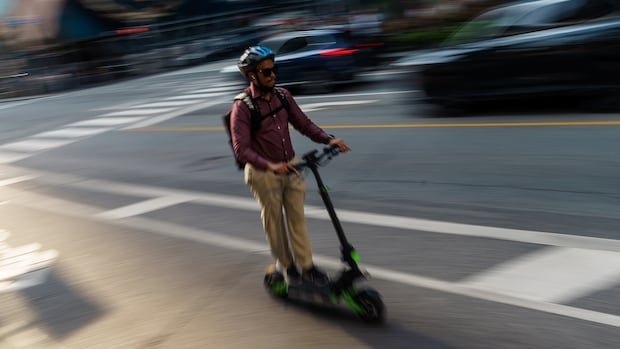
Health leaders say many incidents occur without adequate protective gear, and some injuries are life-threatening. Pediatricians emphasize the importance of helmet use, age-appropriate riding, and supervision for younger riders. They also stress that e-scooter speeds can lead to high-energy crashes, especially in urban environments with vehicles, pedestrians, and uneven surfaces.
Experts note that prevention requires a combination of education, safety standards, and possibly regulatory measures. Recommendations include requiring helmets for riders of all ages, implementing speed limits on shared streets and sidewalks, and promoting designated riding areas to minimize interactions with pedestrians. In addition, clinicians advise parents to supervise ride times, set clear rules about where and when scooters can be used, and ensure that the devices are properly maintained.
While the data on injuries is still being collected, pediatricians say the trend is immediate and warrants attention from public health authorities. They call for enhanced reporting from emergency departments to better track the severity and frequency of incidents, which could inform targeted prevention campaigns.
The report comes as e-scooters gain traction across Canadian cities, with riders of various ages embracing the mobility option. Health officials caution that while e-scooters offer convenience, they also pose new safety challenges for children and adolescents that require coordinated action from families, schools, and policymakers.