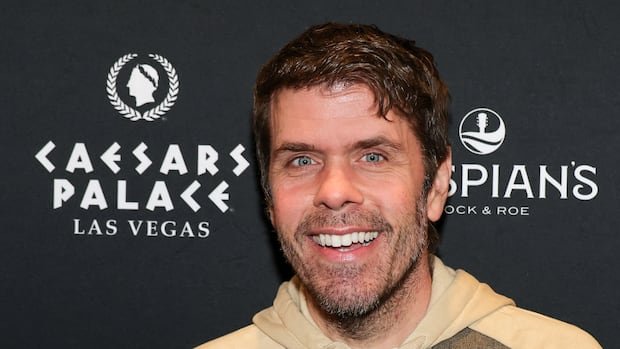
The clip, which circulated on TikTok before being removed, appeared to show Hilton displaying behavior that observers interpreted as self-harm. The video was taken down by the platform shortly after it surfaced, but not before it drew attention from viewers, media outlets, and advocacy groups concerned with the safety of livestreaming environments.
Hilton has remained a public figure known for his commentary on entertainment and pop culture. The circumstances surrounding the livestream are not fully detailed in public reports, but the focus has quickly shifted to platform responsibility and the mechanisms in place to prevent exposure to traumatic content during live streams.
Experts and critics have highlighted the inherent challenges of moderating live content, noting that platforms rely on a combination of automated detection, live moderation teams, and user reporting to identify and address harmful material in real time. In this case, questions have been raised about how quickly preventive measures could or should have been activated, and whether additional safeguards could mitigate exposure to potentially distressing moments.
TikTok has stated that policies ban content depicting self-harm and that the platform relies on a combination of automated systems and human review to enforce those rules. The company did not specify any disciplinary actions or policy adjustments tied to this incident in publicly released statements.
No injuries or medical updates have been disclosed by Hilton or his representatives in connection with the incident, and there is no verified information indicating the livestream was intentionally staged. The episode has nonetheless intensified debate about the balance between creative expression, public safety, and the responsibilities of platforms hosting real-time broadcasts.
As investigations continue and more details emerge, observers are likely to scrutinize the effectiveness of content-moderation tools on major livestream services and consider calls for stronger safeguards to reduce the risk of viewers witnessing distressing material during live events.