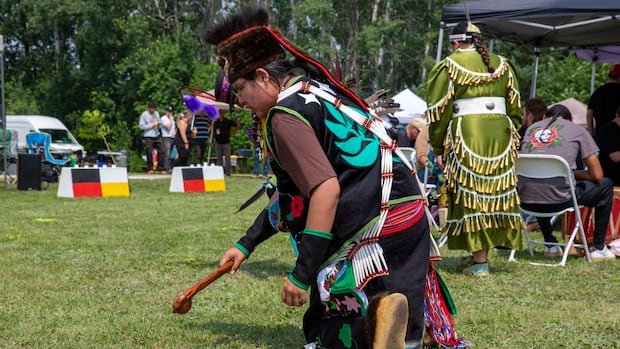
The event, organized by Dilico Anishinabek Family Care, drew attendees who had taken refuge in Thunder Bay and surrounding areas after wildfires forced the displacement of more than 2,800 people from about a dozen communities. A grass dancer, who originally hails from a Manitoba First Nation, described attendance at the powwow as a communal act of perseverance, saying, “I’m dancing as hard as I can for them.”
Casual observers and evacuees were offered transportation from hotels to the powwow site, underlining the organizers’ effort to ensure accessibility for those affected by the fires. The gathering emphasized togetherness and provided a space for First Nations communities to come together during a period of stress and uncertainty caused by the wildfire season.
The powwow featured traditional dances and cultural displays, serving not only as a celebration of heritage but also as a source of comfort for evacuees coping with the experience of displacement. The event aligns with broader efforts by Indigenous organizations to support communities facing natural disasters through culturally rooted responses.
Officials did not specify additional actions beyond the shuttle service and the event’s aim of fostering unity among evacuees and residents. The fires across the region continue to be a focal point for emergency planning and support networks as communities work toward long-term safety and recovery.