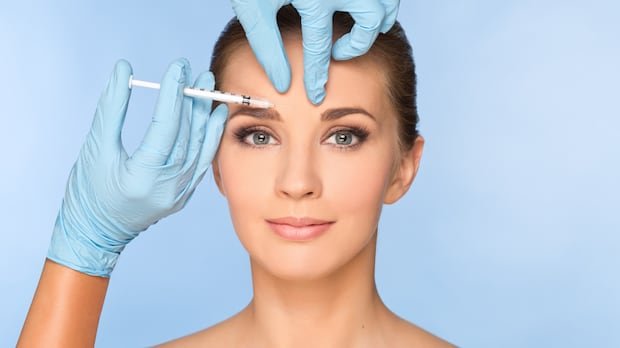
The changes to guidelines surrounding cosmetic procedures in Ontario come as the demand for non-surgical treatments such as Botox and other injectables continues to rise, particularly among younger adults seeking preventative results. The updated guidelines aim to clarify who can perform certain procedures, how they should be delivered, and the standards of care expected in clinical settings.
Healthcare professionals describe the revisions as a “face lift” for guidelines, noting increased clarity on scope of practice and patient safety considerations. Many practitioners say the changes improve oversight and consistency in how procedures are offered across clinics, potentially reducing risk for patients.
However, some nurses and other clinicians express concerns that the updates could limit practice in ways that affect access to services. They argue that additional requirements or restrictions could create practical barriers in certain settings, especially where staffing and resources vary. Still, supporters contend that the reforms help ensure patients receive standardized, quality care regardless of where they seek treatment.
Experts emphasize that esthetic procedures touch on both cosmetic goals and medical safety, underscoring the need for clear training, appropriate supervision, and transparent patient information. The province has indicated that it will monitor the rollout of the new guidelines and consult with the medical community to address any unintended consequences.
Patients considering cosmetic treatments are advised to review their provider’s qualifications, confirm the procedure is performed in a regulated setting, and ask about aftercare and potential risks. As Ontario’s guidelines continue to evolve, observers say ongoing dialogue between regulators, clinicians, and patient advocates will be crucial to balancing safety with access to non-surgical options.