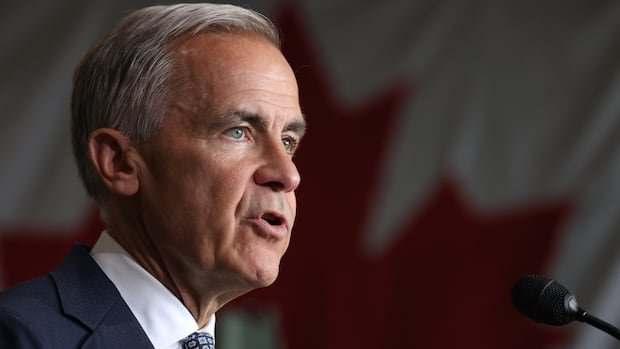
Advocates say that public funds directed toward the oil and gas industry undermine environmental objectives and contradict promises made by the current administration. They point to specific financial measures tied to the sector as evidence that subsidies persist, despite repeated assurances to end them.
Officials have defended the policy approach, arguing that targeted support is necessary to maintain energy security, support economic activity, and manage transitional risks for workers and communities dependent on fossil fuels. They maintain that any public assistance is evaluated for its broader economic impact and alignment with national energy priorities.
The controversy arises amid broader domestic and international pressures to accelerate decarbonization and shift toward cleaner energy sources. Critics warn that continuing subsidies could slow progress toward climate targets and undermine confidence in Canada’s resolve to meet emissions reductions.
Observers note that the policy landscape around fossil fuel subsidies is complex, with ongoing reviews and potential reforms expected as part of broader climate and fiscal strategies. The government has signaled it will review support mechanisms and disclose the economic rationale behind subsidies, while balancing short-term economic considerations with long-term environmental commitments.
No government figures were immediately available to quantify the total value of subsidies or to detail which programs are most implicated. Environmental groups remain vocal in calling for transparent reporting and a clear timetable to phase out fossil fuel subsidies in line with climate pledges. As discussions continue, advocates say the administration’s stance on subsidies will be closely watched by both supporters and opponents of Canada’s climate agenda.