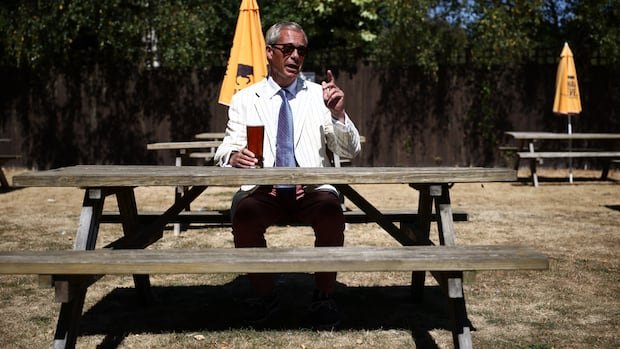
The contest had been framed by observers as a test of Farage’s continued influence within the UK political landscape and a measure of public appetite for a hard-right leadership figure in the current climate. Farage’s campaign focused on his established Eurosceptic and nationalist messaging, while Binface, a recurring parody candidate, presented himself as a counterpoint to traditional party politics and the crowded field of public demonstrations surrounding the by-election.
Polls and coverage in the run-up highlighted the unusual dynamic of a national party figure facing a comic character whose campaigns skew electoral norms. Despite the spectacle surrounding the race, Farage secured the seat, signaling a return to Parliament in a district he previously represented before stepping down to trigger the by-election.
Supporters and party officials framed the result as a vindication of Farage’s ability to mobilize a dedicated voter base and to navigate the political momentum around reform ideas that he has consistently championed. Opponents, meanwhile, characterized Binface’s presence as a satirical mirror to the process, with the by-election serving as a commentary on the state of party politics rather than a straightforward electoral choice.
The victory marks Farage’s return to national politics after stepping away from the House of Commons briefly, and it places him back in a position to influence debates on national policy, party strategy, and potential future electoral ambitions. The election proceeded with observers noting the shift in political dynamics and the degree to which unconventional campaigns continue to elicit public engagement in UK elections.