The incident began when a report came in about an unmanned boat looping in circles on Weyakwin Lake. Officers responding to the scene did not immediately interpret the situation as indicative of a missing person, and no further action was taken at that time, according to the watchdog’s assessment. Investigators later determined that the events culminating in the man’s death could be traced to the day of the initial sighting, though details of the missed steps and subsequent investigation were outlined in the commission’s findings.
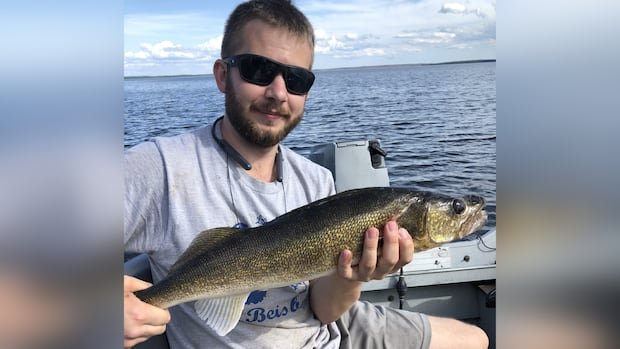
The man, identified as Matthew Hamm, was known to enjoy fishing on Weyakwin Lake. He did not return home that day, and his body was recovered during the following spring, more than several months after the initial report. The path from the initial call to Hamm’s recovery has been a focal point for questions from his family, who expressed continued concerns about whether a timely and appropriate response might have altered the outcome.
The Civilian Review and Complaints Commission examined the RCMP’s handling of the case, concluding that the initial response did not meet accepted standards. The commission did not indicate any misconduct by individual officers but stated that the initial actions were wholly unacceptable and warranted a review of procedures to prevent similar shortcomings in the future.
Police spokespersons noted that an autopsy had confirmed the manner of death as accidental. Authorities emphasized that the case underscores the importance of considering a missing-person scenario when a person is found with an unmanned vessel in distress or displaying irregular behavior on the water.
Hamm’s family continues to seek clarity and accountability regarding the sequence of events on the day of the incident and the RCMP’s early response. The findings have prompted ongoing discussions about how to improve responses to potential water-related disappearances in Saskatchewan communities.