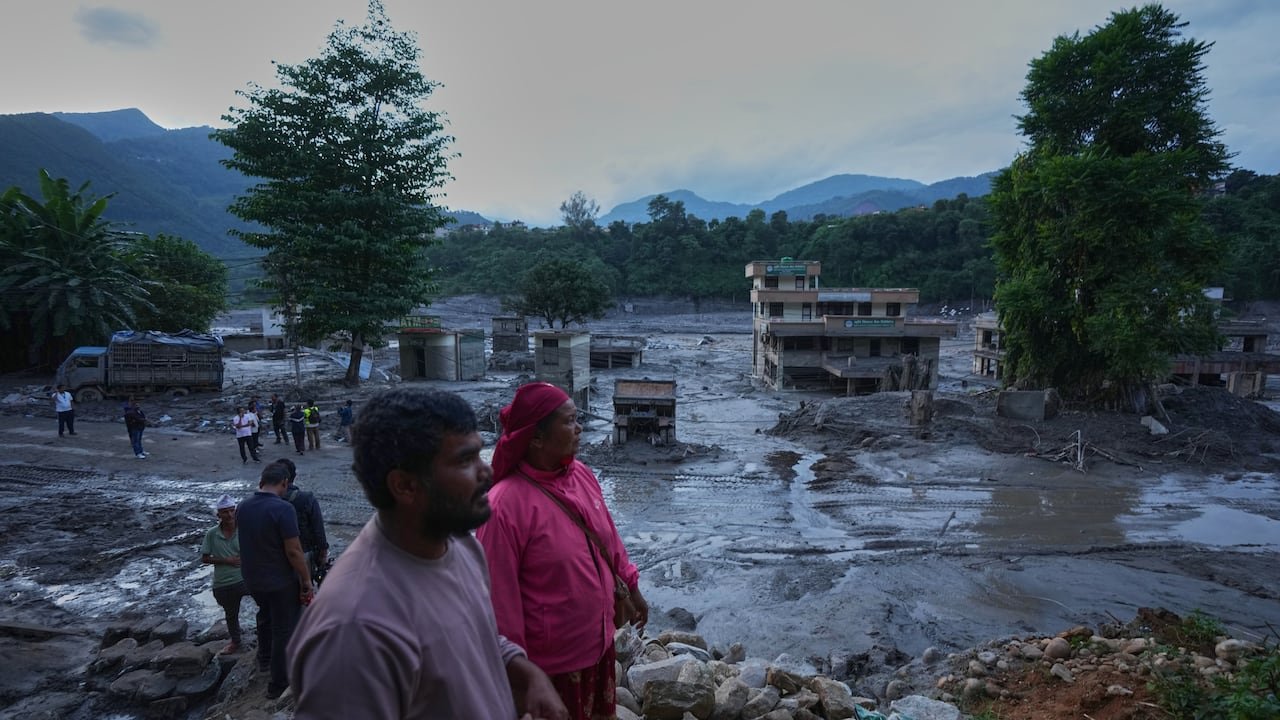
A catastrophe in Nepal this week has intensified warnings from climate scientists that the region’s fragile glaciers and monsoon systems could unleash even more devastating floods as the climate warms. The disaster struck Himalayan villages when rapid flooding and mudslides swept through settlements, leaving scenes of destruction documented by responders and residents.
Experts emphasize that attributing this event to human-caused climate change is complex. Some scientists caution against drawing a direct line to climate change alone, stressing that multiple natural factors can drive such extreme flooding. However, other researchers argue that the disaster aligns with warnings they have issued for years about the type of carnage climate disruption could produce in high-altitude terrains.
Eyewitness accounts and early assessments describe a chaotic surge of floodwaters and lahars that overwhelmed communities in Nepal. The immediate focus centers on rescue and relief efforts as aid workers assess missing persons, secure damaged infrastructure, and provide shelter and supplies to affected residents. The event is being viewed as a troubling example of how climate pressures may manifest in vulnerable regions.
The situation in Nepal follows concerns among scientists that climate changes could intensify glacier melt and monsoon volatility, increasing the risk of flash flooding and upstream-downstream impacts on villages and livelihoods. While the full scope of loss is still being tallied, the incident is already prompting renewed calls for preparedness, resilient infrastructure, and robust disaster response in mountainous zones.
As investigators continue to analyze contributing factors, the headline remains: climate-perturbed hydrology is projecting danger in the Himalayas, and Nepal’s communities are paying a steep price. The dialogue between scientists and policymakers will likely intensify as authorities route aid, map risks, and plan for future extreme weather scenarios.