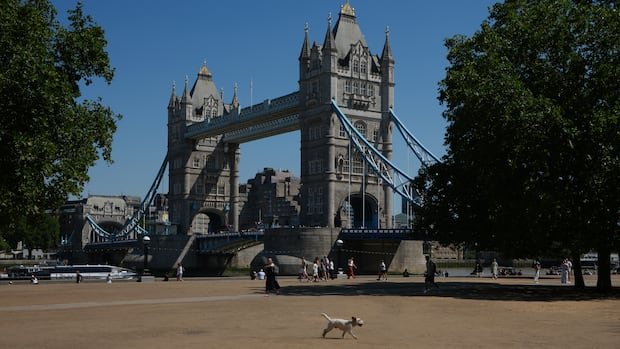
In the United Kingdom, weather agencies warn that central and southeast England could see temperatures approaching 38 C on Thursday, a figure that could mark the hottest day of the year thus far. The anticipated heat comes as British residents and authorities prepare for heat-related advisory measures, including guidance on staying hydrated, avoiding outdoor work during peak hours, and checking on vulnerable populations.
France faces even higher forecasts, with central and southern regions expected to reach about 40 C and Paris projected to hit approximately 38 C. The extreme temperatures intensify pressures on energy grids and public health systems, particularly in urban centers where concrete and limited shade can amplify heat exposure. French officials have previously urged residents to monitor heat advisories, minimize strenuous outdoor activity, and ensure adequate hydration.
Meteorologists describe the situation as part of a broader pattern of heat waves affecting western Europe. The current conditions occur amid concerns that rising global temperatures are increasing the frequency and intensity of such events. While authorities emphasize preparedness, the ongoing heat poses risks including heat exhaustion, dehydration, and strain on vulnerable groups, such as the elderly and outdoor workers.
Citizens across affected regions are adapting to the heat with changes to daily routines, including later outdoor work schedules and increased use of cooling measures. Emergency services and local governments continue to monitor the situation, ready to respond to heat-related incidents and wildfires should conditions dry out vegetation or ignite under extreme heat.
As forecasts indicate the possibility of record-setting temperatures, officials urge residents to heed heat warnings, keep indoor environments well-ventilated or air-conditioned, and stay informed through official channels about any updates to temperature projections or safety recommendations.