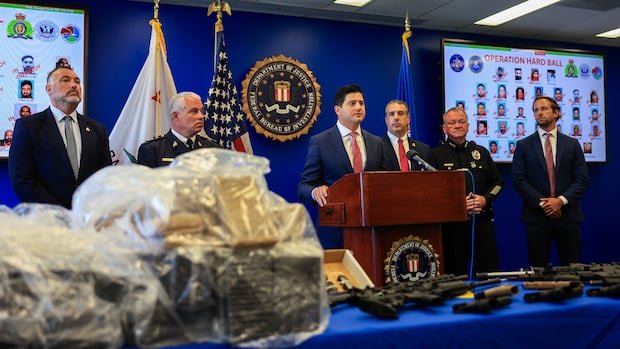
The Nijjar assassination in June 2023 has been a central topic in Canada-India security discourse, with U.S. and Canadian authorities conducting investigations that surface tensions between the two countries. In the contemporary briefing, Moreland indicated that investigators have found no direct evidence tying Indian government officials to Nijjar’s killing or to other crimes linked to Indian gangs examined by the allied forces.
The remark stands in contrast to past declarations from former Prime Minister Justin Trudeau and from the RCMP’s leadership, who in earlier public statements suggested a broader association between state actors and activities under scrutiny in the Nijjar matter. Critics argue that the discrepancy could reflect evolving investigative findings, shifts in agency interpretation, or differences in the scope of what constitutes “evidence” in complex transnational investigations.
Officials did not specify the evidence status of Nijjar’s case beyond Moreland’s “no evidence” phrasing. Canada’s relationship with India has been tense in recent years as investigators pursue leads in cases tied to alleged foreign interference and organized crime that cross international borders.
Legal and diplomatic analysts note that such statements require careful qualification, given the sensitive nature of ongoing investigations and the potential implications for bilateral relations. The RCMP has not announced new charges or indictments related to Indian officials, and no additional details were provided about the sources or timeframe of the evidence questioned.
As investigators continue to review material from multiple jurisdictions, observers say public communications from law enforcement should align with evolving facts and avoid over-reach that could complicate diplomatic channels.