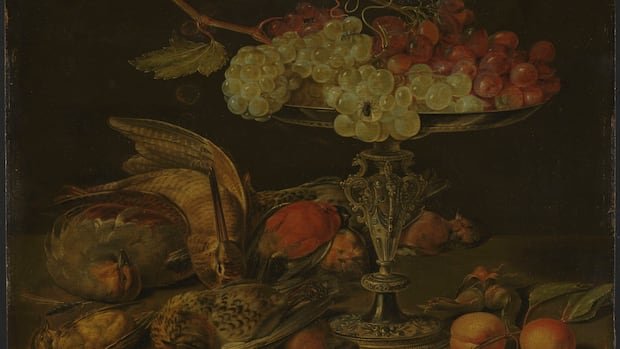
Art historian and curator Cynthia Osiecki first encountered the painting in 2022, while reviewing the museum’s stored works. Osiecki, who has studied Peeters extensively, suspected the attribution was misapplied and believed the painting aligned with Peeters’ distinctive style and subject matter. The museum subsequently initiated a formal attribution process, including stylistic analysis and comparison with authenticated Peeters works. The reattribution confirms that the painting is indeed a work by Peeters, renowned for her still-life genre and for pioneering detailed, meticulous renderings of food and domestic objects.
Peeters, active during the early 17th century in Antwerp, was among the few female painters of her era to gain recognition in a field dominated by male artists. Her still lifes often depicted abundant fruits, nuts, game, and elaborate vessels, rendered with sharp realism and a strong sense of texture and light. The recent discovery adds another example to her body of work and highlights the ongoing effort to reassess museum collections for overlooked or misattributed pieces.
Museum officials emphasized the importance of careful storage audits and scholarly collaboration in uncovering such reattributions. They noted that Peeters’ work has experienced a renewed interest in recent years, with scholars reexamining catalogs and provenance to ensure accurate historical representation.
The museum did not specify when the painting will return to public display, but it anticipates updating its collection records and potentially integrating the piece into a forthcoming exhibition focused on Peeters and Baroque still-life painting.