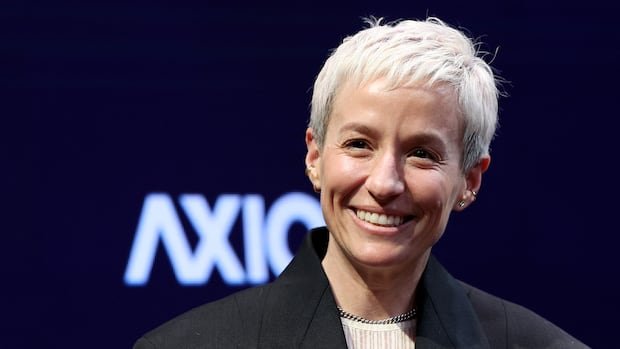
Rapinoe, a longtime advocate for LGBTQ+ rights and a vocal supporter of inclusivity in sports, has used her platform to speak on a range of issues beyond the pitch. The conversation with Marie Claire touches on the broader tension between corporate sponsorships and athletes who take explicit social positions, particularly on trans rights. Rapinoe framed the experience as indicative of systemic challenges that athletes face when their activism intersects with commercial interests.
The athlete is widely known for her impact on the field, including her role as a World Cup champion and a regular face in campaigns and endorsements earlier in her career. She has also been a prominent public figure in the movement for transgender rights, arguing for protections and recognition for trans athletes and broader inclusion in sports.
Brand relationships in professional sports often hinge on the balance between a sponsor’s marketing goals and athletes’ public personas. Rapinoe’s account suggests that corporate partners may reassess or reject agreements when individual athletes publicly advocate for controversial or divisive social issues. This development comes amid ongoing conversations in sports about the role of athletes as activists and the pressures brands face navigating public perception and societal debates.
A representative for Rapinoe did not issue a comment beyond what was conveyed in the Marie Claire piece, and a request for comment from the brand involved was not publicly disclosed. Rapinoe’s remarks add to a growing dialogue about how athletes’ social advocacy intersects with commercial opportunities, and how brands respond when athletes take principled stands on human rights issues.