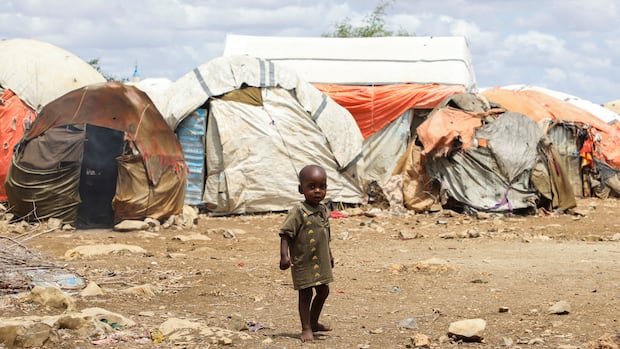
MSF teams operating in displacement camps have been screening children for malnutrition, with early results indicating that about one in four youngsters assessed is considered severely malnourished. The organization stressed that the elevated prevalence of acute malnutrition is occurring amid a backdrop of declining funding, which threatens the continuity of essential nutrition programs, outpatient feeding initiatives, and therapeutic care for the most vulnerable children.
The humanitarian situation in Somalia has been precarious for months, marked by violence, displacement, and recurrent drought conditions. Aid agencies have long warned that shrinking budgets undermine the delivery of life-saving services, including malnutrition treatment, vaccination campaigns, and broad-based food assistance. MSF representatives emphasized the urgency of sustained and predictable funding to prevent further deterioration in child health outcomes, noting that delays or gaps in treatment can lead to higher illness and mortality rates.
Local authorities and international partners have called for renewed commitments to scale up nutrition interventions, particularly in areas hosting large populations of internally displaced persons. MSF also highlighted the need for reliable supply chains to ensure antidotes, therapeutic foods, and medical supplies remain accessible in camps and host communities.
The development and aid communities are tracking the impact of funding changes against the broader crisis in the region, where climate-related shocks and ongoing insecurity continue to disrupt food production and distribution. Advocates urge donors to prioritize protective nutrition programming for children under five, emphasizing that early intervention can reduce the severity of malnutrition and support longer-term health and development outcomes.
No official casualty figures were provided in the MSF briefing, but the organization reiterated that funding declines are directly affecting the capacity to deliver critical nutrition services to vulnerable populations in southwestern Somalia.