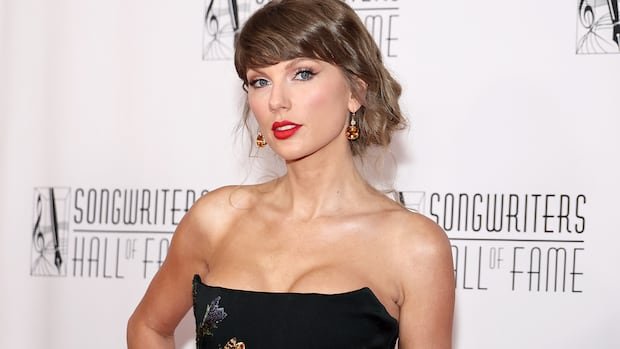
The controversy centers on the White House and the campaign having previously used two Swift recordings in videos and posts over the past week. Following feedback and potentially copyright concerns, at least some of those videos were edited or deleted to remove the songs. Specific tracks have not been publicly disclosed in official statements, and there has been no direct comment from the White House or the campaign on the removals.
Taylor Swift’s music, widely licensed for use in media and events, has recently become a focal point of political and copyright attention as organizations navigate rights for songs in promotional and informational content. The frequency of Swift’s catalog in high-profile posts contrasts with ongoing debates about fair use, licensing, and authorization for political messaging.
Observers note that the incident underscores broader tensions between creative rights holders and political communicators, who rely on popular music to amplify messages. It also highlights the risk for official communications when using third-party content without explicit permissions. In this case, the removals appear to be a corrective measure to align with copyright and licensing expectations.
No additional details were provided about the number of posts affected, the exact tracks involved, or whether any replacements have been used in place of theSwift songs. Representatives for Taylor Swift’s team and for both the White House and the Trump campaign did not issue public comments on the matter by the time of reporting.
This episode adds to a growing catalog of incidents in which copyright considerations influence social media practices in political communications. As campaigns and government offices continue to craft digital messages, the balance between creative licensing and messaging efficiency remains a point of ongoing scrutiny.