Key provisions in the released text outline the framework for toll collection, maintenance responsibilities, and timelines for completion. Government spokespeople emphasize that the agreement sets out the terms necessary to proceed with construction and operation, while critics question whether the terms adequately protect taxpayers or curb potential cost overruns.
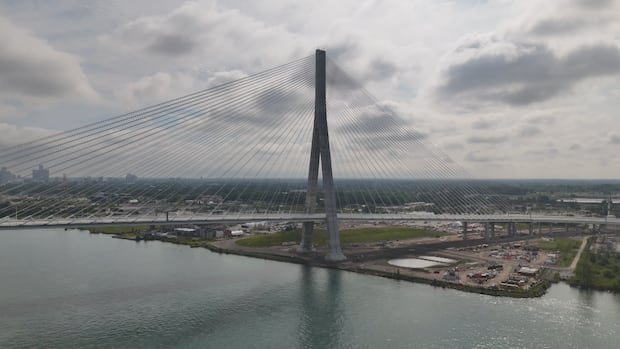
The Gordie Howe Bridge, which will connect Windsor, Ontario, and Detroit, Michigan, has faced years of negotiations and delays. Supporters say the bridge will ease highway congestion, improve commercial flow between Canada and the United States, and enhance safety by providing a dedicated crossing separate from existing border infrastructure. Opponents have pointed to the financial commitments involved and concerns about tolls and long-term liabilities for Canadian taxpayers.
The release came as Canadian officials pressed forward with a process that requires cooperation with U.S. authorities and adherence to provincial and federal oversight mechanisms. The agreement is expected to govern how toll revenue is used, the role of the private or public partners involved in construction and maintenance, and the mechanisms for dispute resolution.
Analysts say the document’s publication could influence political narratives ahead of upcoming discussions and public statements by officials on toll strategies and opening milestones. Civil societies and business groups have expressed varied reactions, with some urging transparency and robust safeguards against cost escalations, while others remain optimistic about the potential benefits of a completed crossing.
Officials caution that while the agreement marks a milestone, final steps remain, including regulatory approvals, funding arrangements, and practical logistics tied to opening the bridge to traffic. The government did not immediately specify a date for when construction or the tolls would become operational, noting that the process will proceed in stages subject to regulatory and contractual compliance.