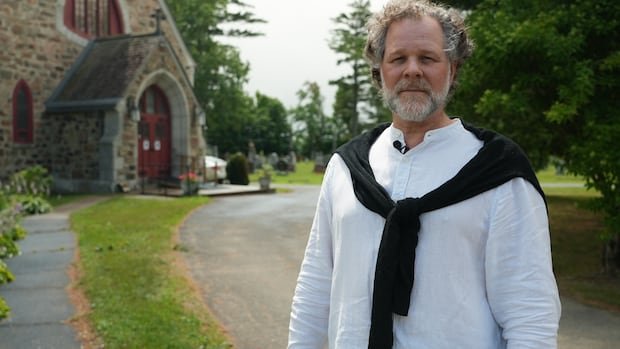
The report highlights that unclaimed bodies are not rare in the province and suggests the trend is on the rise. Experts note that poverty, social isolation, and a lack of closely involved family members contribute to the phenomenon. Community leaders and faith-based organizations sometimes become involved in attempts to locate next of kin or provide support for those facing end-of-life costs without obvious familial contacts.
The process in Quebec involves the Department of Public Security and regional authorities who oversee the handling of unclaimed remains. Funeral homes act under provincial guidelines to ensure respectful treatment of the deceased, followed by cremation or burial as appropriate. In many cases, cremation is selected due to lower costs and logistical considerations when no family member is available to assume responsibility.
Advocates say the issue underscores broader social and economic challenges, including aging populations, gaps in social support networks, and barriers to navigating end-of-life arrangements for people with limited resources. Some families may be unaware of their relative’s passing or unable to access the necessary information to claim a body, further complicating resolution.
Officials emphasized that the system aims to balance dignity for the deceased with responsible use of public resources. They indicated ongoing reviews to identify pathways that can reduce the number of unclaimed remains, including outreach to vulnerable communities and more transparent pathways for kinship verification.
The CBC report calls for continued attention to the social factors behind unclaimed bodies and for policy measures that can help prevent future cases while maintaining respectful handling of those who die without obvious next of kin.