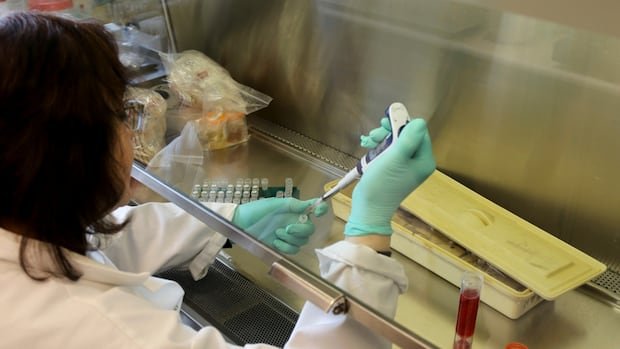
Experts say sustained investment is critical for a lab designed to develop countermeasures against new pathogens and to support rapid diagnostics. They point to funding gaps that could affect long-term planning, equipment upgrades, and the ability to retain skilled personnel. In the current climate, even with initial backing, the prospect of fluctuating budgets may lead to delays or scaled-back operations, limiting the lab’s capacity to function at full potential during health emergencies.
Staffing concerns compound financial considerations. Reports indicate that recent cuts or attrition within related research programs have diminished institutional depth in some areas, raising questions about whether the new facility will have a stable, experienced workforce to draw upon when crises arise. Retention and recruitment of experts in microbiology, biosafety, and related fields are highlighted as essential to achieving the lab’s stated goals.
Administrative complexity is another factor cited by researchers. The process of securing approvals, coordinating with federal departments, and aligning project milestones with funding cycles can slow progress. Experts emphasize the need for clear governance, streamlined procurement, and predictable timelines to avoid bottlenecks that could impede timely response during an outbreak.
Supporters argue that despite these challenges, the lab remains a critical national asset. They contend that with robust, long-range financing, strong personnel pipelines, and efficient oversight, the facility could provide significant advantages in surveillance, rapid testing, and development of countermeasures for future health threats.
As Ottawa advances the project, stakeholders say transparent planning and durable funding will be essential to translate the laboratory’s promise into tangible, timely benefits for Canada’s public health infrastructure.