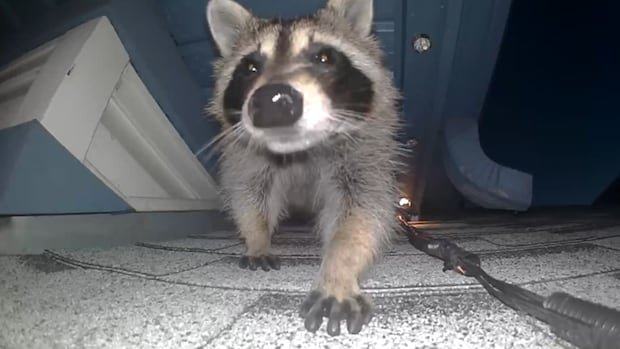
Calgary is experiencing a noticeable uptick in sightings of raccoons within the city’s neighborhoods, according to pest control professionals and wildlife biologists. Traditionally uncommon in Alberta due to long winters and plentiful predators, raccoons have increasingly appeared in residential areas, prompting conversations about urban wildlife adaptation and management.
Pest control operators report more frequent calls and on-site observations of raccoons using human-made shelters and feeding sources in search of food and shelter. Wildlife biologists note that urban environments can provide consistent food sources, such as garbage, compost, and pet food, alongside relatively mild winters that allow higher survival rates. These conditions may contribute to a shift in raccoon behavior from rural edges into city limits.
The trend aligns with broader patterns of urban wildlife movement observed in several Canadian cities, where adaptable mammals exploit human activity to persist in metropolitan settings. Experts caution that while raccoons can be a normal part of urban ecosystems, they may raise concerns for residents due to potential property damage, disease transmission, or conflicts with pets.
Residents are advised to secure waste, avoid leaving food outdoors, and ensure outdoor spaces are not easily accessible to nocturnal visitors. In cases of nuisance behavior or safety concerns, professionals recommend contacting licensed pest control or local wildlife authorities for guidance on humane deterrents and, if necessary, relocation protocols in accordance with regional guidelines.
While the current rise in Calgary is not described as an invasion, it signals a broader question about how urban wildlife intersects with city growth and resident habits. Officials emphasize that ongoing monitoring and community education will be important as Calgary continues to balance human activity with the needs of wildlife that adapt to city living.