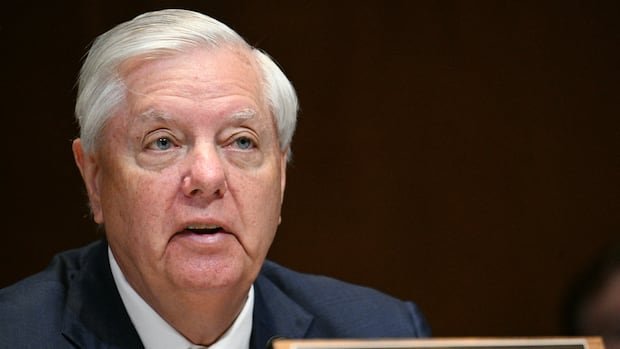
First, party leadership and unity are under renewed strain as lawmakers grapple with internal disagreements and procedural battles over the Senate’s agenda. Observers note that even small friction within the majority coalition can delay key votes, alter scheduling, and influence candidate recruitment. The outcome could affect voters’ perceptions of how effectively the chamber operates and translates into campaign messaging in battleground states.
Second, policy confrontations surrounding defense and national security spending are commanding attention. A committee hearing on the defense budget has spotlighted funding priorities for the coming year, with lawmakers weighing program costs, oversight issues, and the potential political ramifications of defense allocations. Critics argue that spending choices may become a proxy for broader debates on national security and fiscal responsibility, while supporters emphasize stability and readiness in an era of persistent global threats.
Third, electoral risk and candidate dynamics are taking center stage as midterm campaigns intensify. Analysts are watching how Senate races might be influenced by Senate-related headlines, including confirmations, committee investigations, and legislative struggles. Voter sentiment in key states could hinge on perceptions of Washington’s responsiveness to constituent needs, inflation, and security issues, all of which become entangled with the Senate’s current challenges.
The correspondents emphasize that these three threads—internal Senate dynamics, defense spending debates, and the broader midterm electoral environment—are interwoven. Each development has the potential to reshape public impressions of the chamber’s effectiveness ahead of the fall elections and to influence candidate strategies in tight contests nationwide. As the Senate continues to navigate these issues, political observers say how lawmakers handle them in the coming weeks may prove pivotal for both parties’ chances at controlling the chamber.