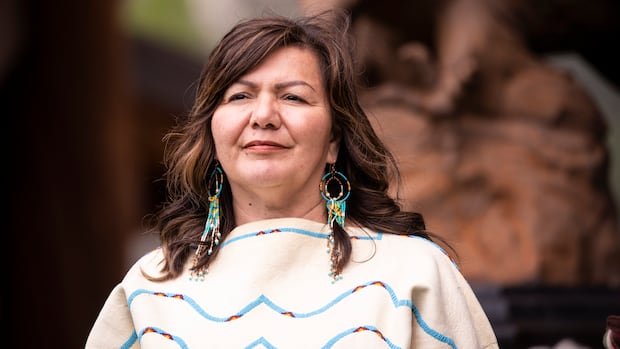
Tk’emlúps te Secwépemc Chief Rosanne Casimir stated that five years after the discovery of more than 200 potential burial sites at the Kamloops school site, the community has not reached a decision on whether to proceed with digs. The timeline and future steps are still being determined as part of an extended review process initiated by the First Nation.
Casimir emphasized that the priority for Tk’emlúps te Secwépemc is to handle the matter with care and provide clarity to community members. She noted that the situation is complex, involving consultations with various stakeholders and adherence to procedural and safety considerations before any excavation could be contemplated.
The initial revelation in 2021 sent shockwaves globally, drawing attention to the history of forced institutional schooling for Indigenous peoples in Canada and the legacy of residential schools. Since then, the Tk’emlúps te Secwépemc have continued to pursue what they describe as a careful and respectful approach to understanding what occurred at the site and determining appropriate actions.
Officials have previously described the search and potential excavation as contingent on a range of factors, including community consent, legal frameworks, and the need to ensure cultural protocols are respected. There has been ongoing dialogue with federal and provincial authorities, conservation experts, and Indigenous groups to align steps with the community’s priorities and sensitivities.
Casimir did not provide a firm date for any excavations or a definitive plan, reiterating that the process remains open-ended. The First Nation has indicated that, should a decision be made to move forward, it would require substantial planning, funding, and approvals from relevant parties.
As the investigation continues, Tk’emlúps te Secwépemc members and supporters await further updates on whether the inquiry will advance beyond the planning stage, and what form any potential excavation, if undertaken, might take.