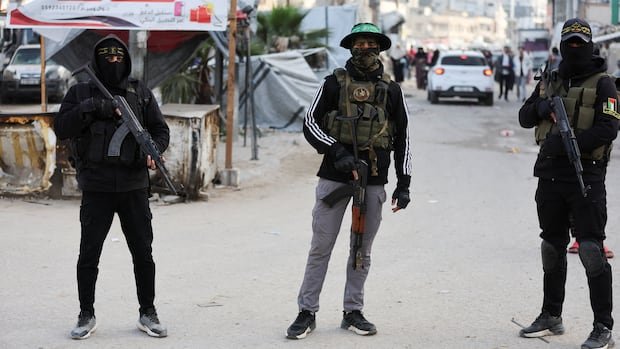
Trump framed the board as a new diplomatic mechanism designed to curb violence by addressing armed factions in Gaza. In his statement, he asserted that the agreement would lead to the dissolution of weapons capabilities among Hamas and allied groups, a outcome long sought by regional and international mediators. The disclosure comes amid ongoing regional concerns about security, civilian harm, and the broader prospects for governance and humanitarian relief in Gaza.
Officials from Hamas and the Israeli side had not issued public responses by press time, leaving questions about verification, enforcement, and the timeline for any disarmament process. Analysts noted that a credible disarmament agreement would require robust verification, third-party oversight, and guarantees to prevent the regrouping of armed factions. They also stressed that disarmament would involve complex incentives and security arrangements for Gaza’s institutions and populations.
The announcement coincides with a period of heightened attention to Gaza’s stability, international aid flows, and the potential for renewed political engagement in the region. Observers cautioned that unilateral statements, without transparent follow-through and reciprocal commitments, risk signaling more than delivering measurable progress on the ground.
Trump did not outline the specific mechanisms behind the Board of Peace, nor did he provide a detailed timetable for when disarmament would occur. The absence of immediate confirmation from the involved parties raises questions about how the plan would be implemented and monitored.
As politicians and diplomats evaluate the claim, remaining questions center on the board’s composition, its authority, and how the proposed disarmament would interact with existing security arrangements and governance structures in Gaza. The international community is expected to seek clarification on the scope, verification measures, and what guarantees would accompany any agreed disarmament process.