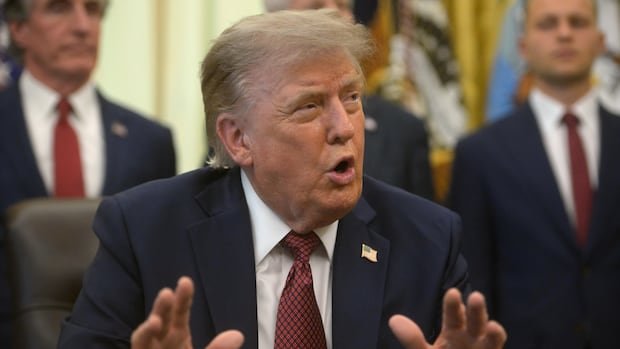
LeBlanc’s trip to the U.S. capital signals Canada’s continued engagement with Washington on a range of trade-related topics. While details of the talks were not publicly disclosed, officials in Ottawa have described the sessions as part of routine bilateral discussions intended to address mutual priorities and resolve outstanding policy differences.
Trump, however, appeared to downplay the significance of CUSMA in the broader context of bilateral relations. Observers note that this stance aligns with the president’s broader approach to cross-border commerce, in which negotiating leverage and rapid outcomes are often emphasized over formal treaty provisions.
Canada and the United States have a long history of trade alignment, with CUSMA serving as the modern framework replacing the old NAFTA. As LeBlanc returns to the capital, analysts say the focus remains on practical measures to ease trade frictions, safeguard supply chains, and ensure timely access to markets for key goods and services.
No immediate breakthroughs were publicly announced following LeBlanc’s return, but officials indicated the discussions would be part of an ongoing, iterative process. Canadian policymakers stressed the importance of cooperation with the United States to maintain steady cross-border commerce, even as domestic political dynamics influence sentiment toward the trade pact.
The situation underscores the friction that can accompany high-stakes bilateral trade talks, where diplomatic appearances and public messaging may diverge from the day-to-day work of negotiating terms, schedules, and potential concessions. As both countries navigate these conversations, observers anticipate further updates on upcoming meetings and any shifts in policy direction related to CUSMA and its implementation.