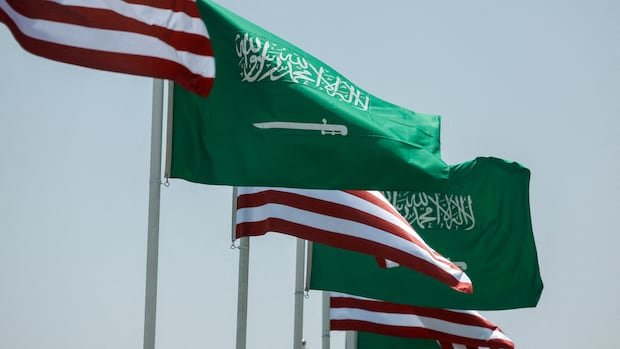
Trump’s comments come as both nations navigate heightened tensions and strategic calculations around energy, security, and regional influence. The claimed condition would align with long-standing U.S. policy that progress toward peace agreements in the Middle East could facilitate closer cooperation on advanced technology and defense, including civilian nuclear capabilities.
Saudi officials have previously shown resistance to linking normalization with Israel to nuclear cooperation, emphasizing sovereignty and strategic autonomy in their foreign policy. The White House has not released a formal statement detailing a contractual framework or the specific mechanisms by which normalization would be verified or enforced within the nuclear pact.
Observers note that civilian nuclear cooperation typically involves safeguards to prevent the transfer of materials or technology that could be repurposed for weapons development, under international oversight. Any such agreement would likely require compliance with nonproliferation standards, potential inspections, and commitments to transparency in nuclear activities.
Analysts caution that publicly tying a nuclear deal to political milestones could complicate negotiations, given the volatility of regional diplomacy and the sensitivity of Israel’s relations with several Arab states. They also highlight that Riyadh has signaled interest in diversifying its energy and technological partnerships, leveraging a civilian nuclear program to support its broader economic and strategic objectives.
There was no official update from the Saudi government at the time of publication, and no independent confirmation of Trump’s assertion. The development underscores the ongoing negotiations between Washington and Riyadh on how a prospective nuclear arrangement would be structured, what conditions would apply, and how progress toward broader peace agreements might be measured and maintained over time.