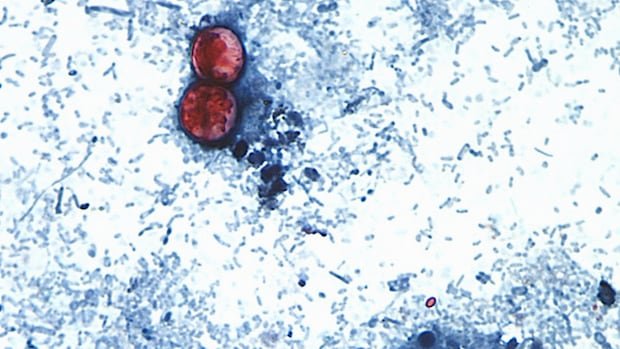
The Food and Drug Administration (FDA) and the Centers for Disease Control and Prevention (CDC) disclosed the broadened scope as part of their ongoing effort to trace the source of the parasitic infection, which can cause prolonged diarrhea and intestinal discomfort. Officials have previously linked illnesses to a batch of romaine or iceberg lettuce imported from central Mexico, and the latest update confirms that cases are now reported in four more states beyond those initially identified.
Public health authorities are advising consumers to consider the potential exposure period and to review recent purchases of leafy greens. While the investigation continues, the agencies reiterated guidance on safe food handling, including thorough washing of produce, proper refrigeration, and cooking practices where applicable, though many forms of lettuce are typically consumed raw.
Details about the additional states and the total number of confirmed cases were not provided in the latest update. Health officials noted that cyclosporiasis symptoms can mimic other gastrointestinal illnesses and may persist for multiple weeks without prompt treatment. People experiencing prolonged or recurrent diarrhea, stomach cramps, nausea, or fatigue after eating leafy vegetables are encouraged to seek medical evaluation.
The FDA and CDC said they are coordinating with manufacturers, distributors, and state health departments to determine the contamination source and to implement corrective actions to prevent further illness. The agencies also emphasized that more case findings could emerge as the investigation proceeds and as more patients are interviewed about their recent produce exposures.
Officials did not indicate when a final conclusion might be reached or whether any recalls have been issued, but stressed the importance of continued vigilance in monitoring foodborne illness clusters associated with fresh produce from central Mexico.