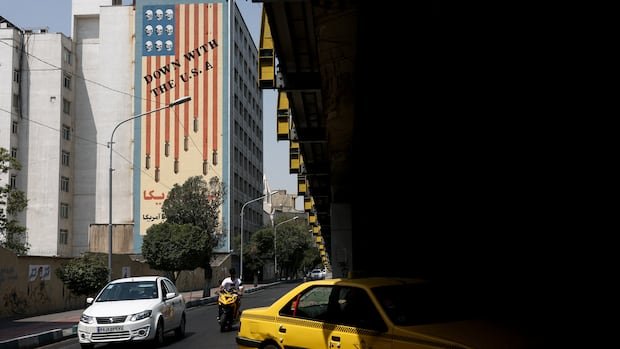
A spokesperson for the U.S. military confirmed that airstrikes against targets in Iran were temporarily suspended for a 24-hour period, marking the second straight day of no targeting activity reported by American forces. In Tehran, government officials stated that they had likewise paused offensive actions, aligning with diplomatic channels seeking to revive talks on a potential ceasefire arrangement.
Shortly before the pause, both sides had escalated exchanges of fire in a cycle that had raised regional tensions and drawn international concern. The current hiatus occurs as negotiators continue to discuss terms that could halt hostilities and lay groundwork for a broader agreement, though details remain fluid and contingent on mutual concessions.
Observers indicate that the pause creates space for renewed negotiations, even as the path to a durable ceasefire remains uncertain. Analysts note that past negotiations have faced hurdles, including disagreements over security guarantees, the disposition of forces, and the duration of the proposed ceasefire.
Humanitarian considerations have been raised by international observers, who emphasize the need to reduce civilian harm and ensure aid access in affected areas. Diplomatic efforts are expected to persist, with mediators encouraging both sides to maintain the current pause while negotiations continue.
The situation remains dynamic, with no official timetable for resuming offensive operations or for concluding any interim agreement. In the meantime, analysts say the pause could provide a window for confidence-building measures and for regional stakeholders to reassess the risk landscape as talks proceed.