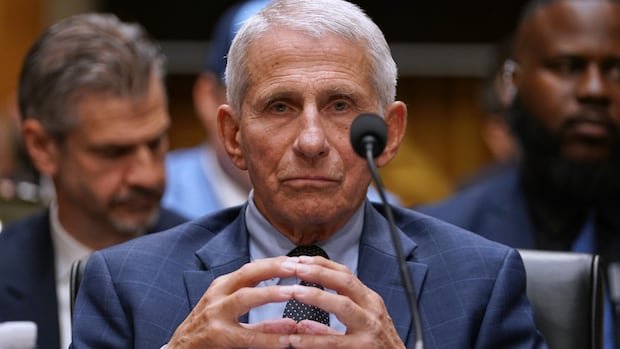
The vote was led by Republicans on the committee, with party-line support that aligned with broader GOP efforts to scrutinize federal COVID-19 policy and the actions of former national health officials. The contempt finding establishes a formal rebuke of Fauci’s refusal to testify, though it does not automatically compel legal penalties. Instead, it triggers potential steps for the full Senate or may prompt legal action through the Department of Justice to enforce compliance.
Fauci, who served as the director of the National Institute of Allergy and Infectious Diseases and as chief medical adviser to the president, has faced years of political pressure over the handling and messaging of the pandemic. His decision to invoke the Fifth Amendment last week decreased the likelihood of new testimony on the committee’s inquiries but did not end the dispute.
Legal experts say contempt citations in congressional settings can lead to negotiated resolutions or, in some cases, referral to the courts for enforcement. The committee’s action underscores the ongoing tension between a Congress seeking detailed accountability for pandemic decisions and public health officials who argue that some information should be shielded from political processes due to deliberative considerations or privacy concerns.
There was no immediate public statement from Fauci on Thursday’s contempt vote. The development comes as the Senate continues examining historical pandemic responses and the public communications that accompanied them, amid a broader political climate focused on accountability for federal health guidance during COVID-19.