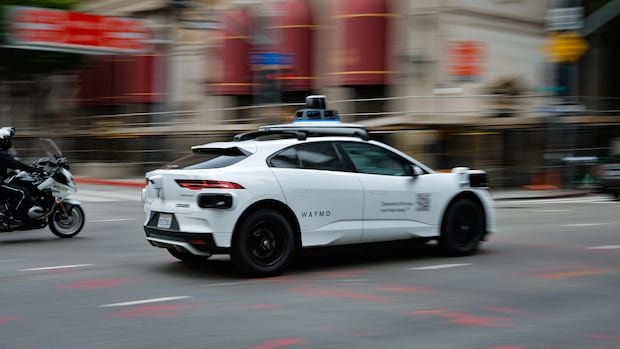
The IIHS analysis tracked incidents involving Waymo’s driverless fleet and compared them with crash data from the surrounding human-driven traffic. While the report does not specify exact incident counts in this summary, the authors emphasize that the results indicate a substantial safety advantage for self-driving technology under real-world operating conditions.
The study’s scope covers four U.S. metropolitan areas, though the IIHS did not release the precise cities in the initial briefing. Waymo, a subsidiary of Alphabet Inc., operates a commercial autonomous vehicle program in multiple cities and has long argued that its technology reduces crash risk relative to human drivers. The IIHS’s findings align with a broader body of research that suggests automated driving systems can mitigate certain types of human error, such as failing to yield, speeding, and distracted driving.
Experts cautioned that while the reduction in crashes is significant, the study also acknowledges limitations. Observational data in such studies can be influenced by variables including the time of day, weather, road conditions, and the level of exposure (how many miles an autonomous vehicle travels versus how many miles humans drive). The IIHS noted that its analysis does not capture all crashes or near-missing incidents and that ongoing research is needed to understand long-term safety outcomes as autonomous technology evolves.
Waymo representatives did not immediately respond to requests for comment. The IIHS plans to publish detailed methodology and city-by-city results in a forthcoming release, which will provide breakdowns of crash types and severity to further illuminate how autonomous and human drivers compare in real-world conditions.