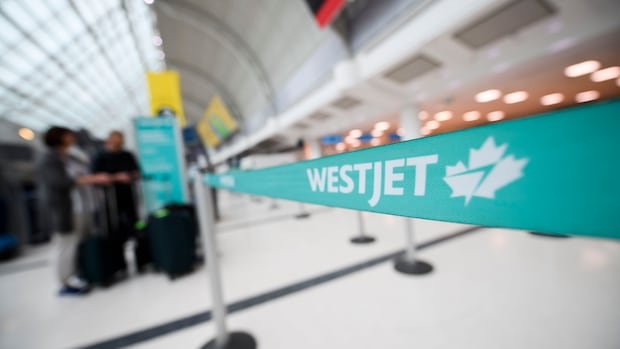
The Canadian-based carrier employs about 4,400 flight attendants who are affiliated with the union that issued the notice. The move comes amid ongoing negotiations between the airline and the bargaining group over terms of employment, including pay, benefits, job security, and scheduling practices.
Industry observers note that a 72-hour strike notice allows for a staged work stoppage, with crews available to carry out strikes after the three-day period begins. If the strike proceeds, it could lead to significant flight cancellations and delays across WestJet’s domestic and international routes, particularly during the upcoming long weekend when travel demand typically spikes.
WestJet ministers have indicated readiness to operate flights with essential crews as long as possible, but a disruption would have wide-ranging implications for passengers, airports, and allied service providers. The union has emphasized concerns about staffing levels, compensation, and the ability to maintain consistent work schedules in a business environment characterized by seasonal demand.
Travel agents and industry analysts say travelers scheduled to fly on WestJet during the strike window should monitor their itineraries closely, as many bookings are not covered by standard protections in the event of a carrier-imposed service disruption. Passengers are advised to contact WestJet directly or consult their travel insurers for guidance should a strike occur.
Both sides have previously described negotiations as constructive, though no agreement has been reached to avert potential industrial action. The 72-hour notice gives the airline and union time to prepare contingency plans and communicate updated flight information to customers.
As of now, there is no official confirmation of a strike date, and stakeholders await further bargaining developments from WestJet and the flight attendants’ union.