Vancouver is taking stock of the FIFA Men’s World Cup footprint after five weeks of heavy foot traffic, amplified transit use and a surge of energy around the city. As the tournament’s matches concluded and visitors departed, local officials and business leaders began assessing the event’s public costs, impacts on Granville Street and the city’s ongoing soccer momentum in British Columbia.
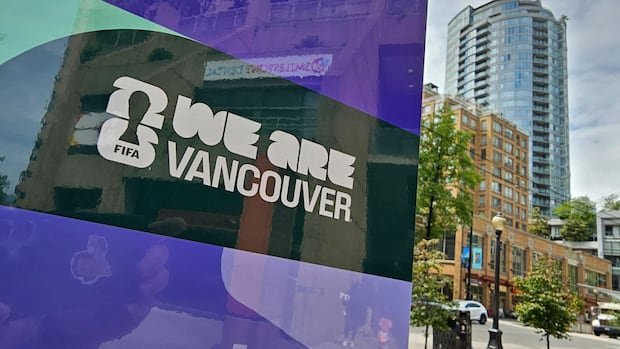
Officials highlighted visible benefits from the World Cup period, including heightened street activity, increased security measures, and enhanced signage guiding visitors to key venues such as BC Place. The Canadian city’s role as a host locale appeared to have drawn both locals and international visitors to a concentrated downtown experience, with lasting questions about sustained engagement beyond the tournament.
Critically, city planners and taxpayers are weighing the financial elements of hosting rights. Debates focus on the balance between upfront expenditures required for security, crowd management, and infrastructure, and the broader economic benefits claimed during the event. While some analysts point to short-term boosts in hospitality and transit usage, others call for a clear accounting of costs versus longer-term gains.
Granville Street, a central artery for the city’s nightlife and commerce, faced intensified activity during the World Cup period. As crowds dispersed, discussions emerged regarding how to preserve the neighborhood’s vibrancy while maintaining safety and efficiency for residents and visitors alike.
Momentum for soccer in the region remains under review. Stakeholders are evaluating whether the World Cup experience translates into sustained local engagement, youth participation, and potential future hosting opportunities. Local sports officials emphasize continued development of programs that could capitalize on the event’s heightened profile, while the public remains curious about how long the current buzz will endure.
City officials say more comprehensive assessments will follow, with updates likely to address cost recovery, infrastructure improvements, tourism impact, and strategies to maintain the elevated level of interest in football across British Columbia.