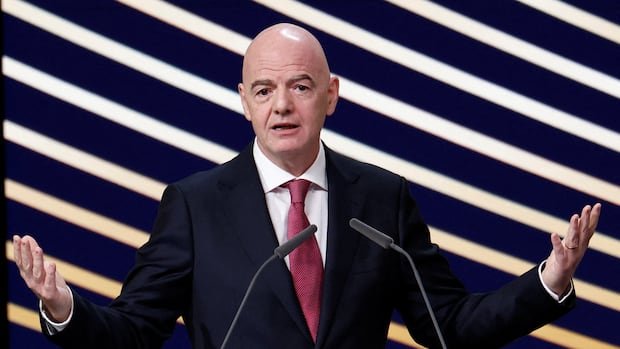
Details of the proposal remain limited, but the core idea involves bringing private capital into FIFA’s operations and development programs. Supporters argue the approach could unlock substantial resources to fund youth development, infrastructure, and global outreach, potentially accelerating growth in fewer-developed football markets. Critics, however, fear increased private influence could compromise the sport’s integrity, transparency, and democratic decision-making processes.
Reaction from major soccer bodies and unions has been swift and varied. Some European associations and fan groups have voiced concern about the potential for conflicts of interest, while others call for rigorous governance safeguards and clear limits on private participation. The timing—shortly after the culmination of the 2026 World Cup—has amplified scrutiny, with observers noting that major shifts in FIFA’s funding model could ripple through club competitions, national federations, and players’ earnings.
Infrastructure and development remain central to the debate. Proponents emphasize that additional funds could expand training facilities, grassroots programs, and international tournaments, particularly in regions with limited resources. Opponents warn that private money could steer priorities toward commercially lucrative ventures rather than purely developmental goals, and may also affect decision-making transparency within FIFA’s governance structure.
Gianni Infantino, re-elected earlier this year, has consistently framed FIFA’s strategy as modernization and growth. His latest proposal, however, has not yet been fully unveiled in public detail, leaving member associations and the football community to interpret potential policy changes amid ongoing scrutiny of FIFA’s fiscal practices.
As conversations continue, several national federations say they will study the proposal closely and seek input from their members before taking a stance. The broader football world watches closely to understand how this private-investment framework could reshape FIFA’s role in the sport’s governance and its financial future.