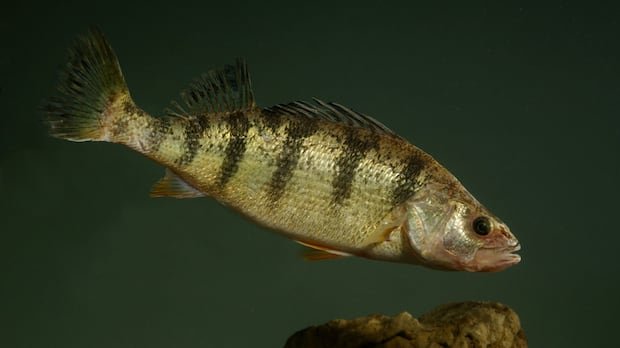
The regulatory assessment notes that the perch decline coincides with an uptick in walleye numbers in the same region, suggesting shifts in predator-prey dynamics may be influencing perch survival and recruitment. Experts emphasize that the relationship between species populations in Lake Erie’s complex ecosystem can be sensitive to even small changes in stock composition.
Climate-related factors are also cited as contributing to the downturn. Warmer water temperatures, fluctuating weather patterns, and other climate-driven changes can affect perch growth rates, spawning success, and habitat suitability. Such environmental stressors are expected to interact with existing biological pressures, potentially amplifying declines in certain years.
Officials caution that while the 20 percent figure reflects current monitoring data, the long-term trajectory for yellow perch in Lake Erie remains uncertain. They stress the importance of ongoing surveillance, adaptive management, and collaborative mitigation strategies among provincial agencies, fishery managers, and researchers to preserve perch populations while balancing fishing pressures.
Industry stakeholders and recreational anglers may experience shorter-term impacts as managers adjust harvest regulations or implement conservation measures in response to population trends. Any regulatory changes would aim to sustain perch stocks while maintaining the economic and cultural value of the species to communities around Lake Erie.
Local researchers plan to continue collecting field data on perch recruitment, habitat use, and interactions with other species to better understand the drivers behind the decline. The Lake Erie ecosystem, characterized by shallow waters and dynamic weather patterns, remains a focal point for studies on how climate change and interspecies relationships shape fish populations in the Great Lakes.