According to the former CIA director, there existed an “ethical requirement” for the White House to inform credentialed reporters about changes to the president’s aircraft and travel plans. The details described by the ex-official underscore expectations that briefing and openness should accompany swift, behind-the-scenes decisions when the group is traveling with the president. The remarks come as questions linger about how the movement was handled and what information was shared with the press before, during, or after the exchange.
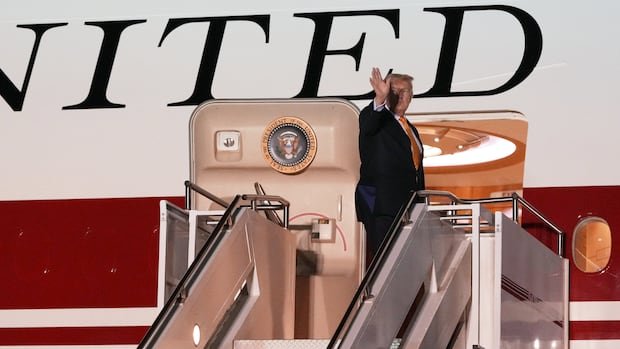
The sequence occurred during a trip that included a stop in Turkey, where the president and a limited press contingent were aboard a plane that subsequently redirected, with reporters and several White House staffers remaining on the aircraft. Media coverage of the episode has highlighted the unusual nature of the routing and the potential implications for access and accountability in presidential travel.
Critics have urged greater clarity on how such decisions are communicated to the press and to the public. Supporters of the White House’s approach argue that security considerations and operational efficiency sometimes necessitate rapid, non-public actions. However, the incident has reignited debates about press freedom, the handling of presidential security, and the responsibilities of the administration to keep reporters informed.
Officials have not yet released a full public account detailing the rationale behind the plane swap, the timing of any notices to reporters, or the exact chain of command guiding these moves. As investigations or assessments continue, observers say this episode could influence how future presidential travel is coordinated with the media and how much information is disclosed in advance of similar operations.