A new wave of heat and smoky skies is gripping parts of Canada, prompting health advisories, firefighter mobilizations, and renewed discussions about climate resilience. Authorities say high temperatures and persistent air quality issues are expected to linger across several provinces, with vulnerable populations urged to take extra precautions.
Environment and public health officials issued alerts across multiple regions as temperatures climbed well into the 30s Celsius in several urban centers. Heat warnings combined with deteriorating air quality due to wildfires burning in western provinces and diminishing rainfall, creating conditions that can affect respiratory health and overall well-being. Hospitals and clinics have seen increased visits linked to heat-related stress and respiratory concerns, underscoring the strain on local health systems.
The situation poses particular risk for seniors, young children, people with preexisting health conditions, and outdoor workers. Provincial authorities advised residents to stay hydrated, limit outdoor activity during peak sun hours, and use air filtration or masks when smoke levels are high. Cooling centers and community resources were activated in several cities to provide relief for those without access to air-conditioned spaces.
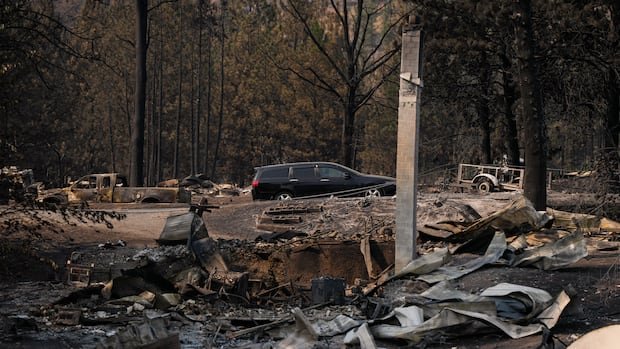
Wildfire activity continues to be a major contributing factor. Fire crews are working around the clock to contain blazes that have forced some communities to adapt with evacuation plans and road closures. While some fires are localized, others spread across remote landscapes, complicating containment efforts and amplifying smoke plumes that drift into populated areas.
Officials emphasize the link between heat events, air quality, and climate change. Experts say warmer summers increase the frequency and intensity of wildfires and can extend periods of unhealthy air. The federal and provincial governments are reviewing emergency response protocols and investing in weather monitoring, air quality surveillance, and public communication to improve resilience.
Canada’s climate realities are shaping policy and daily life. Beyond immediate health and safety risks, the heat and smoke have economic implications for outdoor industries, tourism, and transportation, as well as long-term infrastructure planning. Communities are prioritizing adaptation measures, from housing upgrades and urban cooling strategies to enhanced wildfire prevention and rapid alert systems.
For Canadians, the story matters because it highlights personal health risks, collective preparedness, and the evolving climate landscape that will influence policy, budgets, and daily choices for years to come. Staying informed through reliable outlets remains essential as weather patterns continue to shift.
As always, iCanada will keep you updated with the latest developments, practical tips, and expert insights to help readers navigate these challenging conditions.
#iCanada #heatwave #airquality #wildfires #publichealth #climatechange #CanadaNews #emergencypreparedness #weatherwarning #Canadiannews
Full News – https://www.cbc.ca/radio/frontburner/why-arent-we-more-ready-for-wildfires-9.7298498?cmp=rss