Jurors are currently weighing the case of Lindsay Clancy, a Massachusetts mother charged with murdering her three children, with her defense arguing she was not criminally responsible due to postpartum psychosis. The trial scene is mirrored by the public’s reaction outside Plymouth Superior Court and across online spaces, where supporters and advocates frame the case as a broader call for help for new mothers.
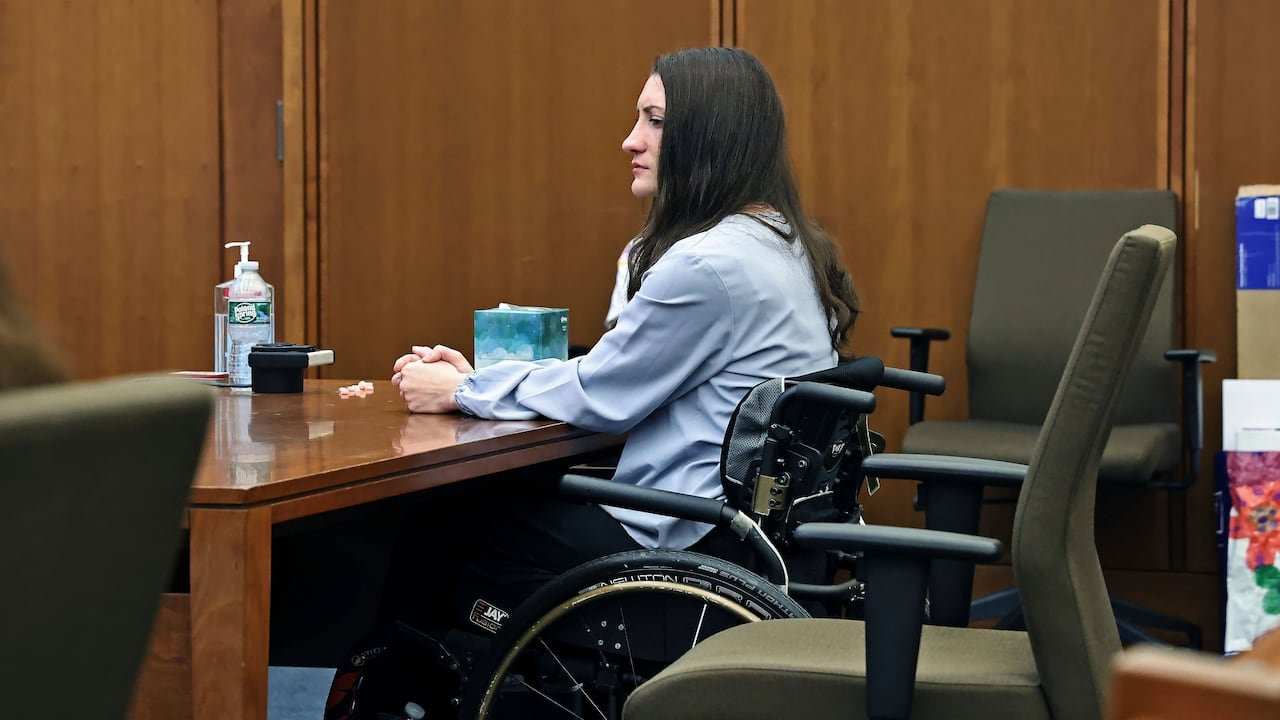
The courtroom description shows Clancy at the defense table as her attorney, Kevin Reddington, requests a verdict of not criminally responsible. The core legal question centers on whether her mental state at the time of the alleged killings meets the standard for postpartum psychosis, a condition the defense cites to explain a lack of criminal culpability.
Outside the courthouse, rallies and organized discourse reflect a unified message: new mothers need more support and resources, and the system currently fails to provide adequate help. Supporters use the case to highlight perceived gaps in mental health care and postpartum support networks for families facing medical and psychological stress.
Online discussions amplify the themes raised by advocates, underscoring calls for heightened awareness and intervention opportunities for mothers experiencing postpartum mental health challenges. The symmetry between the defense’s clinical argument and public advocacy emphasizes a broader concern: how society assists families under extreme stress and what constitutes effective, timely support.
As deliberations proceed, the case remains a focal point for conversations about motherhood, mental health, and public policy. While the courtroom debate centers on legal responsibility, the surrounding discourse positions the trial as a catalyst for discussing systemic improvements in maternal mental health care and the resources available to new families. The outcome of the deliberations will determine legal responsibility and, indirectly, influence the public conversation about postpartum support services.